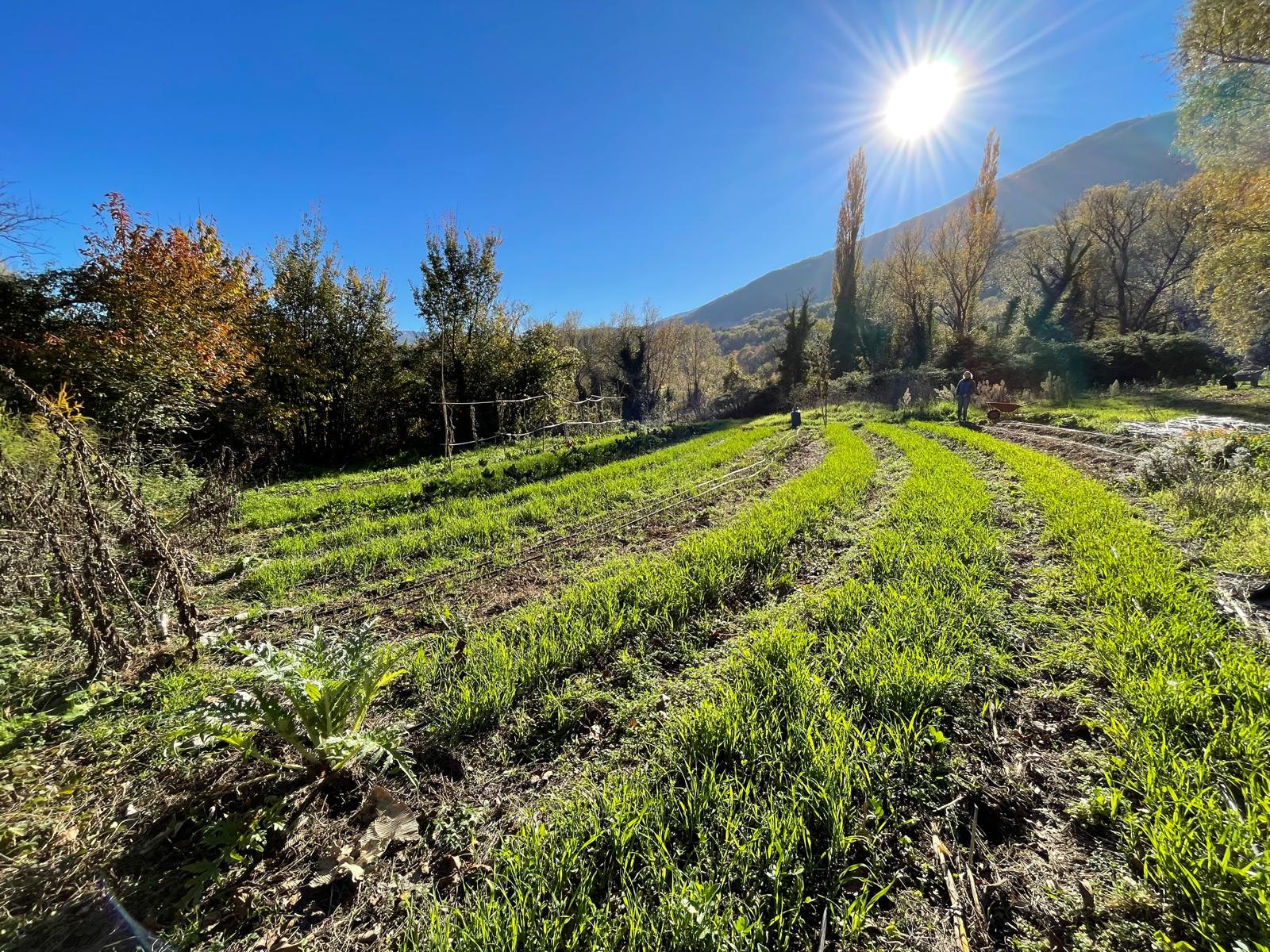
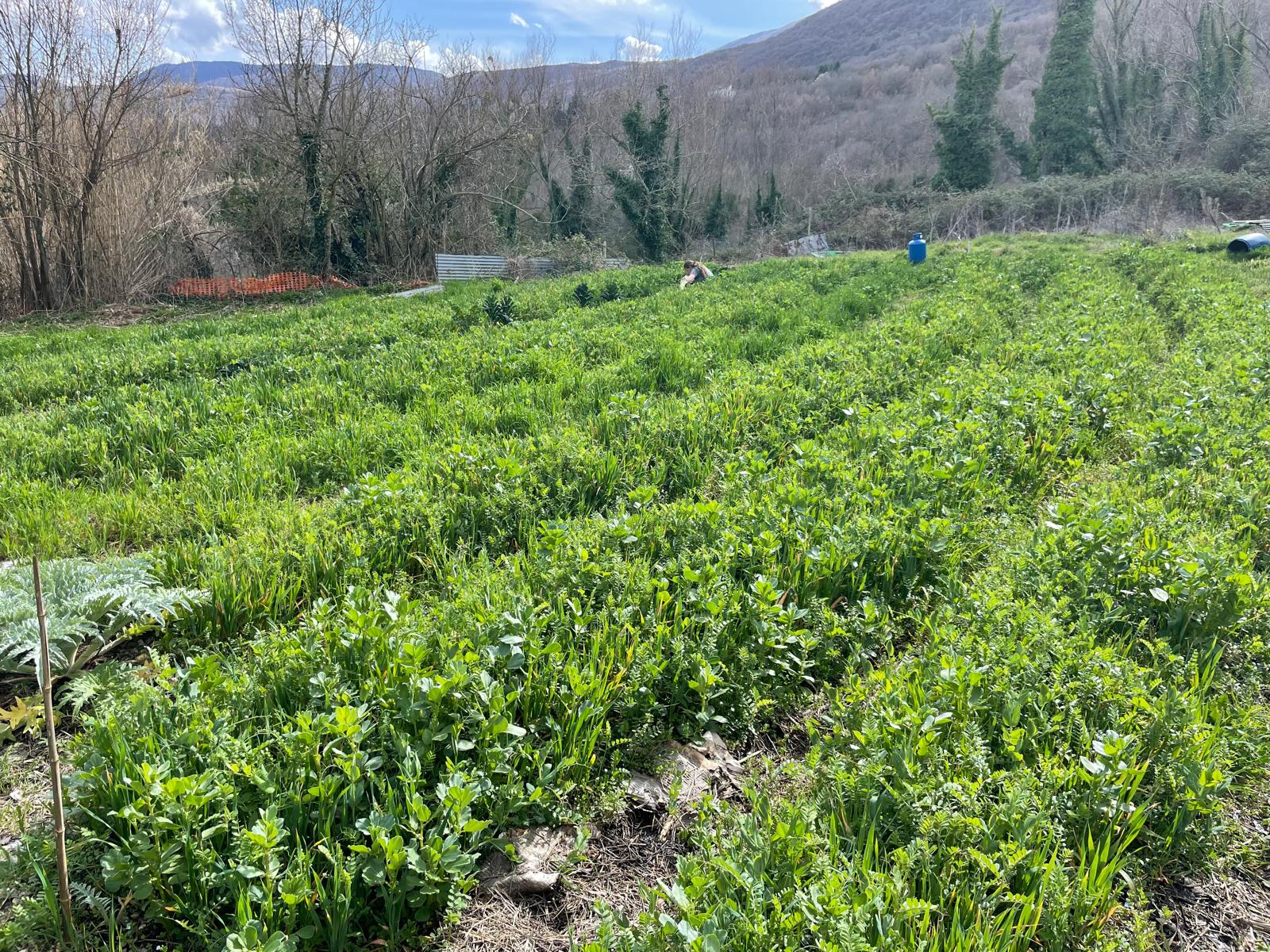
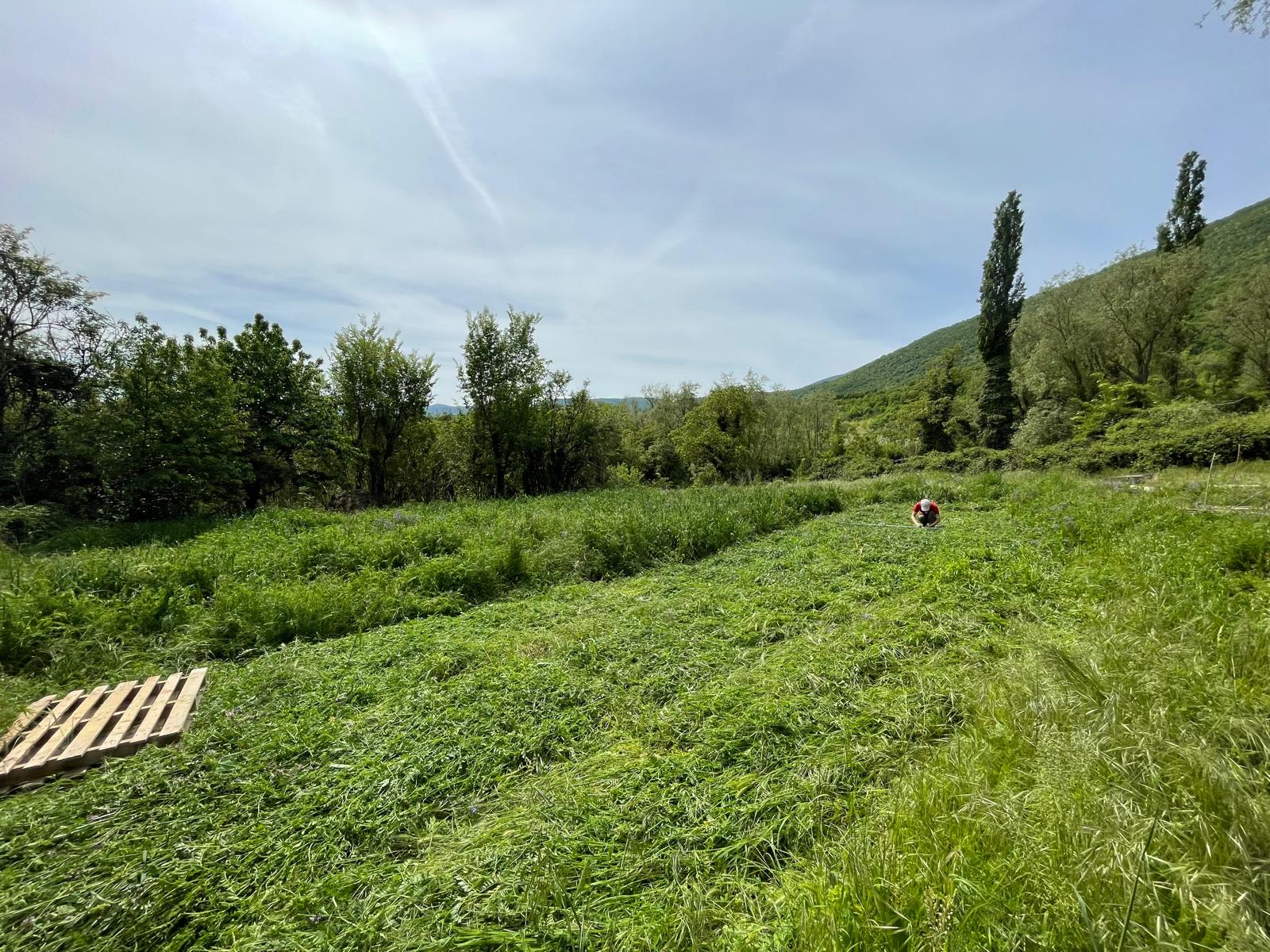
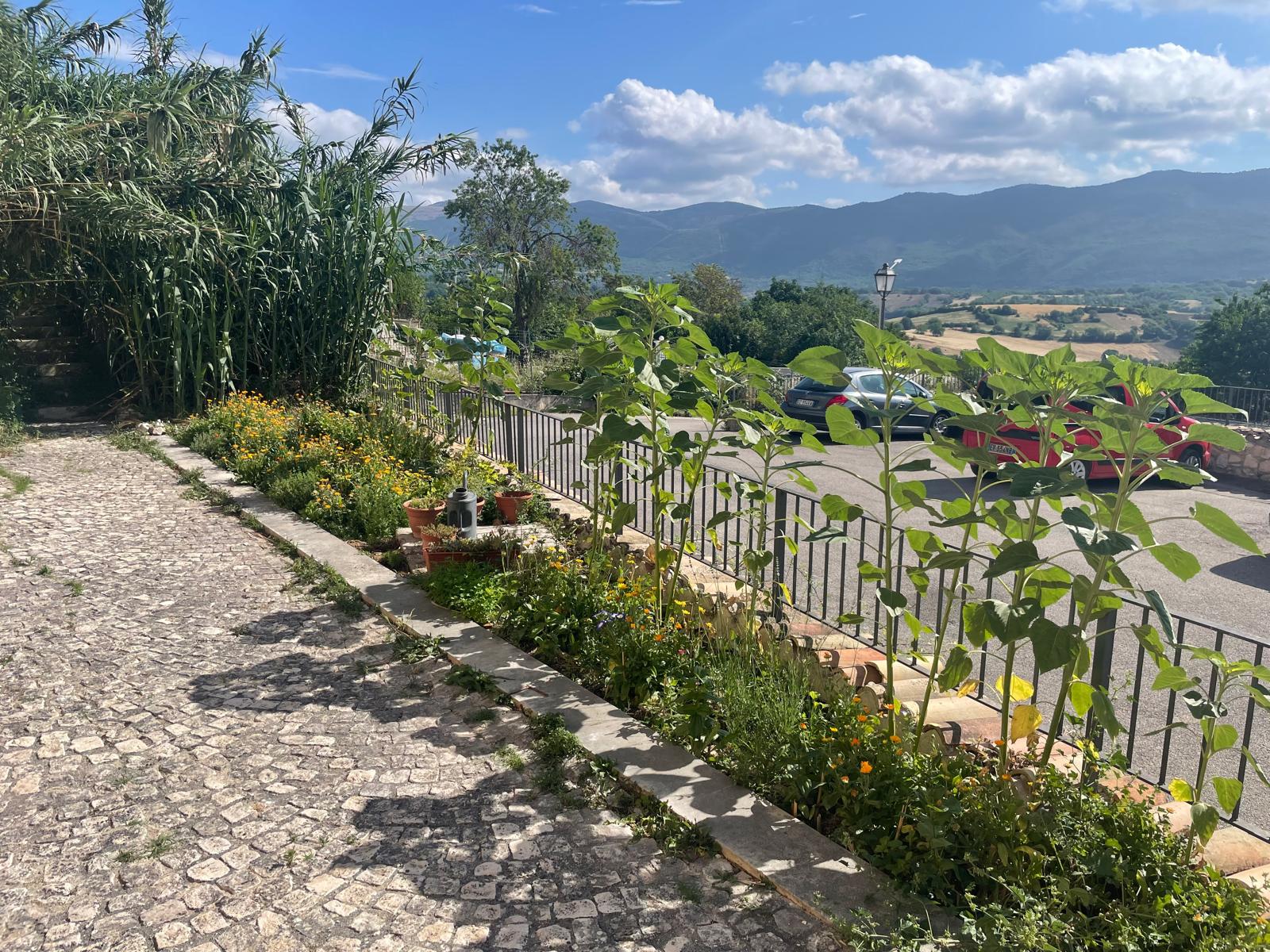
Below the village, downhill from the Librice spring, lies an area known as the Cannavine. Some say the name comes from the common reed (canna) that grows there naturally; others say it comes from the hemp (canapa) once historically grown in the area. Either way, thanks to its many springs, the Cannavine has for as long as anyone can remember been Gagliano’s favourite spot for growing vegetables. From the Librice spring, a system of sluices and channels let water flow downhill to irrigate all the fields below. The abundance of water and the favourable slope were a stroke of luck for the village: many families could support themselves by growing vegetables, in some cases even selling produce at markets in neighbouring villages.
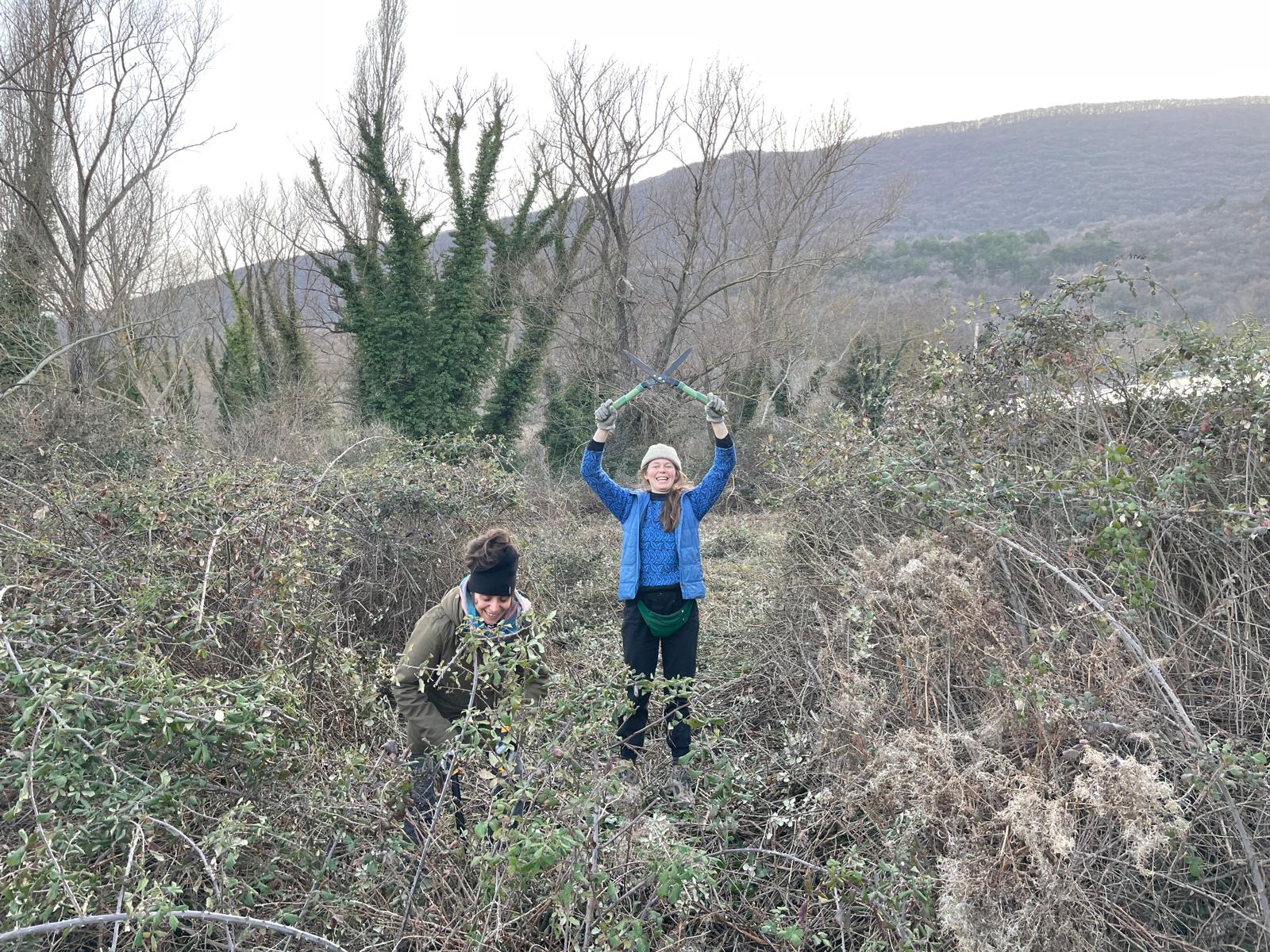
The village’s slow depopulation over the last sixty years has transformed the surrounding land just as much as its social and urban fabric. The forest has closed back over the upland pastures and now reaches right up to the village. The same has happened to some of the arable fields downhill, along with the farm tracks that once connected them. Some springs, left unmaintained, have dried up or fallen into serious disrepair. The Cannavine too — a “paradise” in villagers’ memories — has suffered a similar fate. Alongside gardens that are still cultivated, there are today just as many abandoned ones, where brambles are paving the way for the forest to move back in.
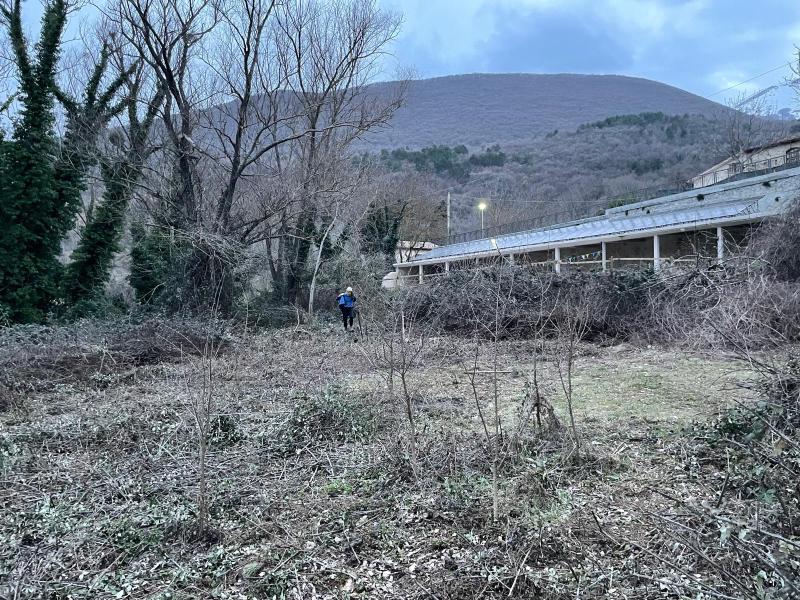
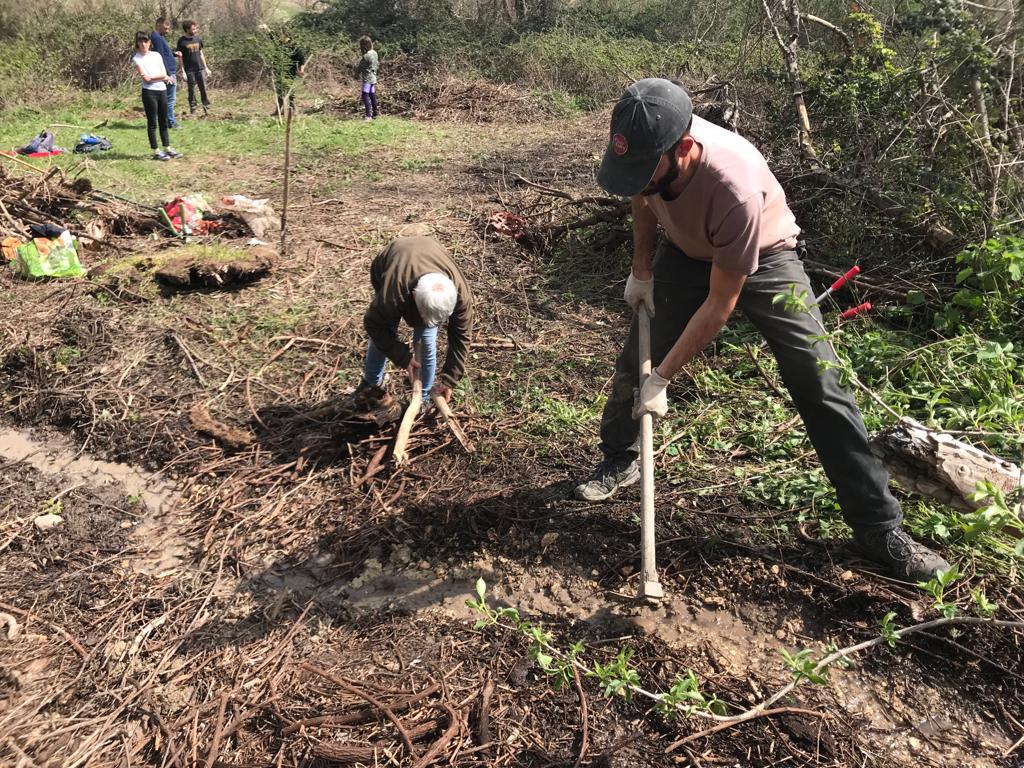
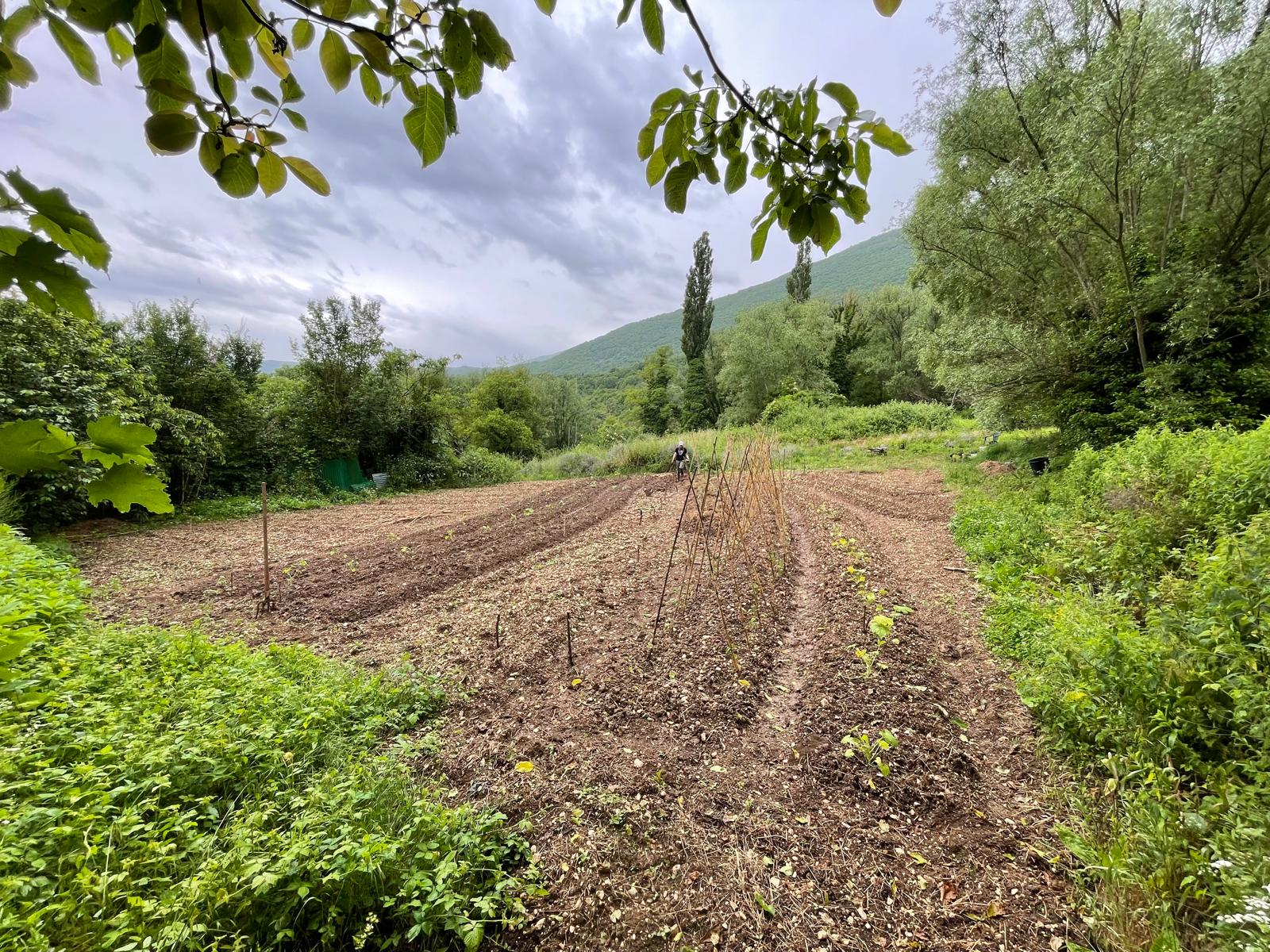
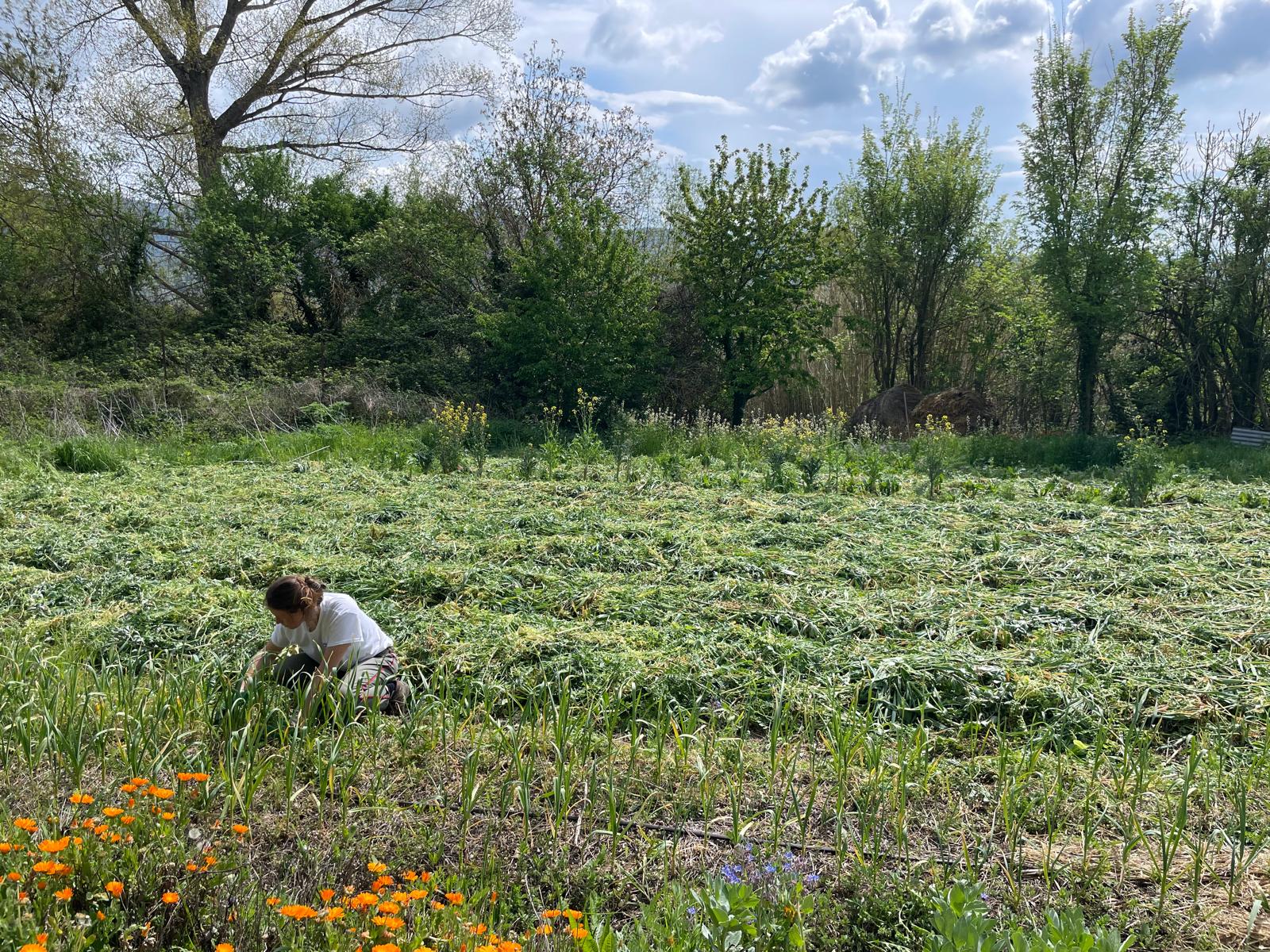
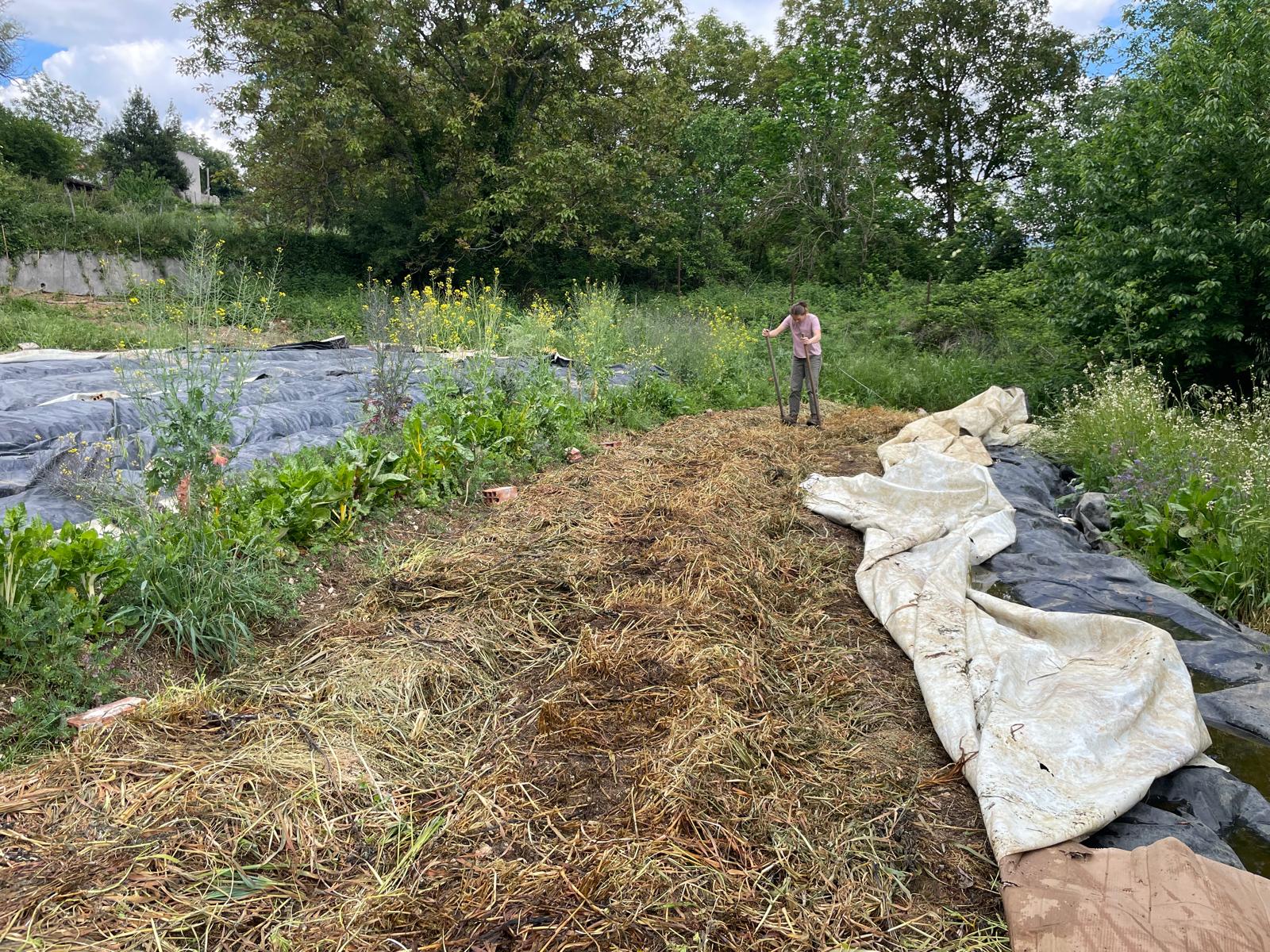
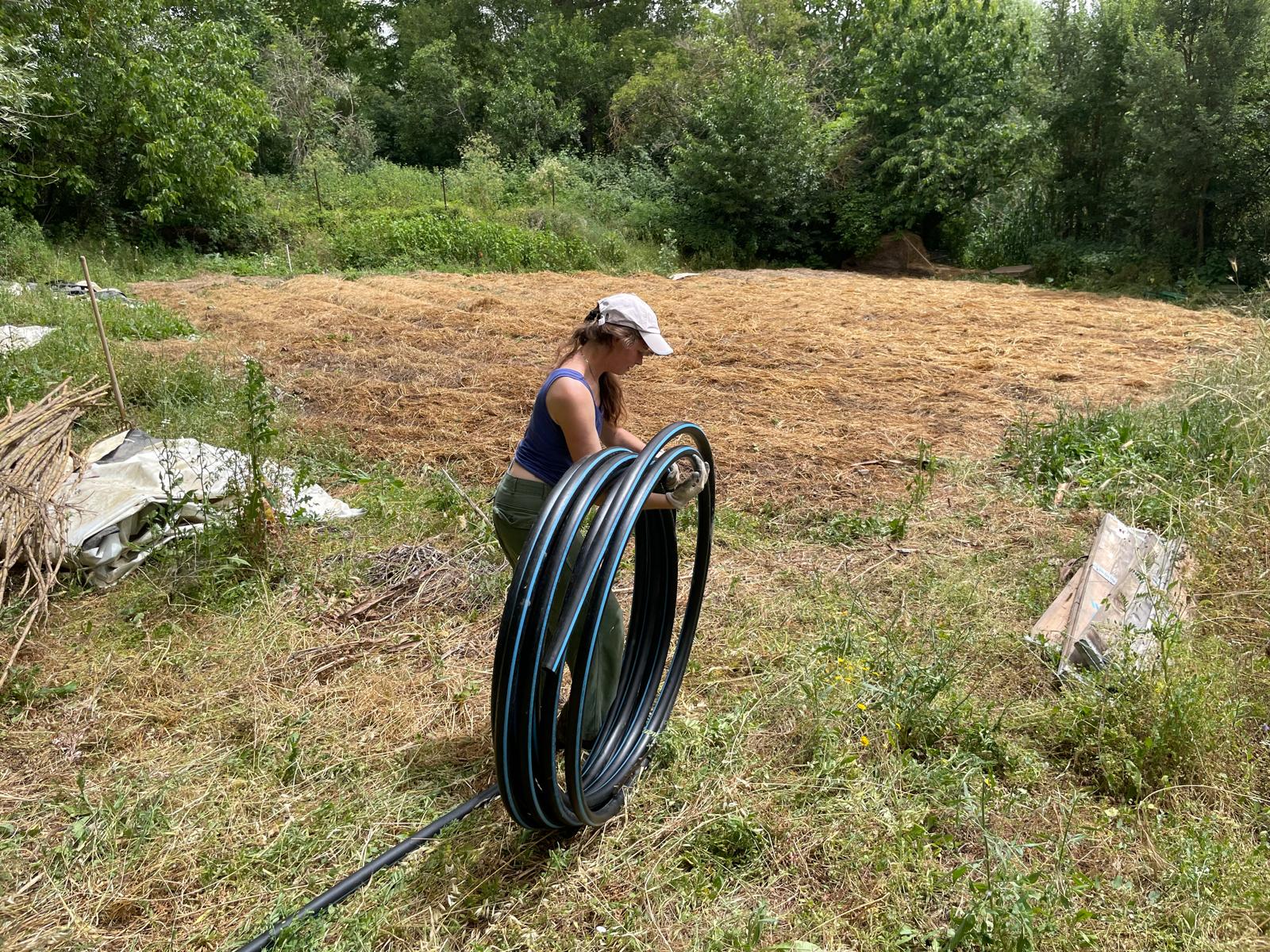
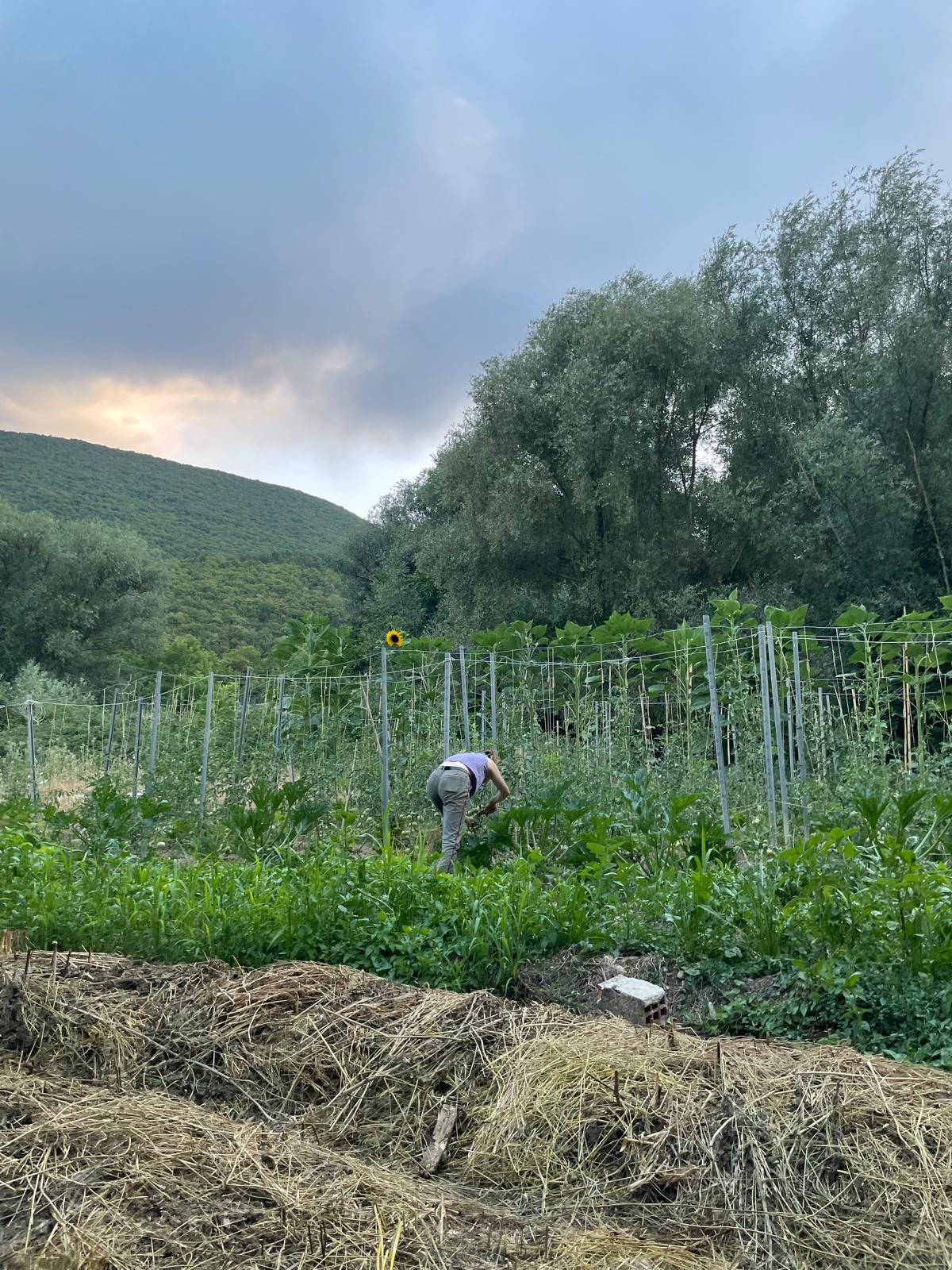
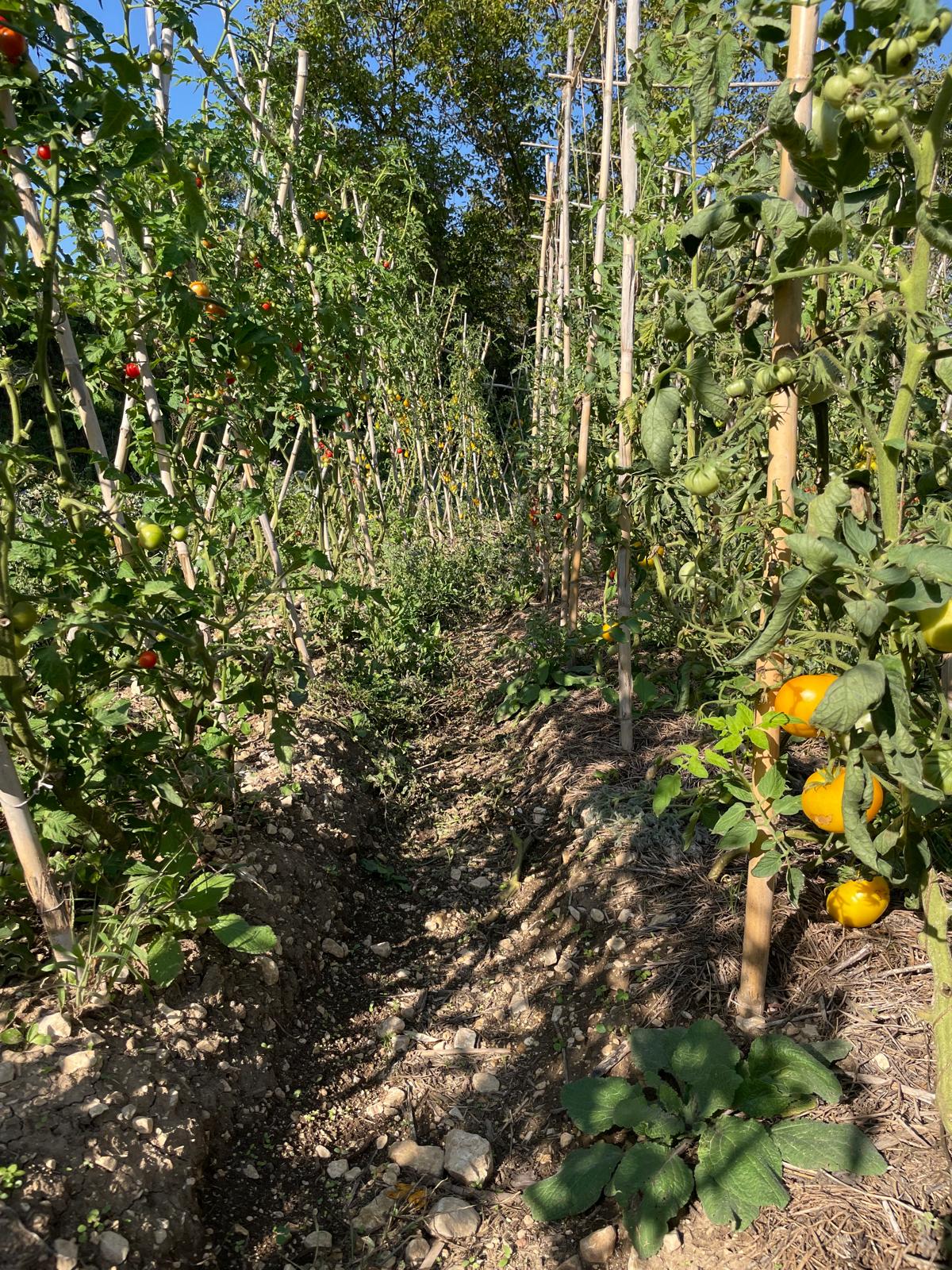
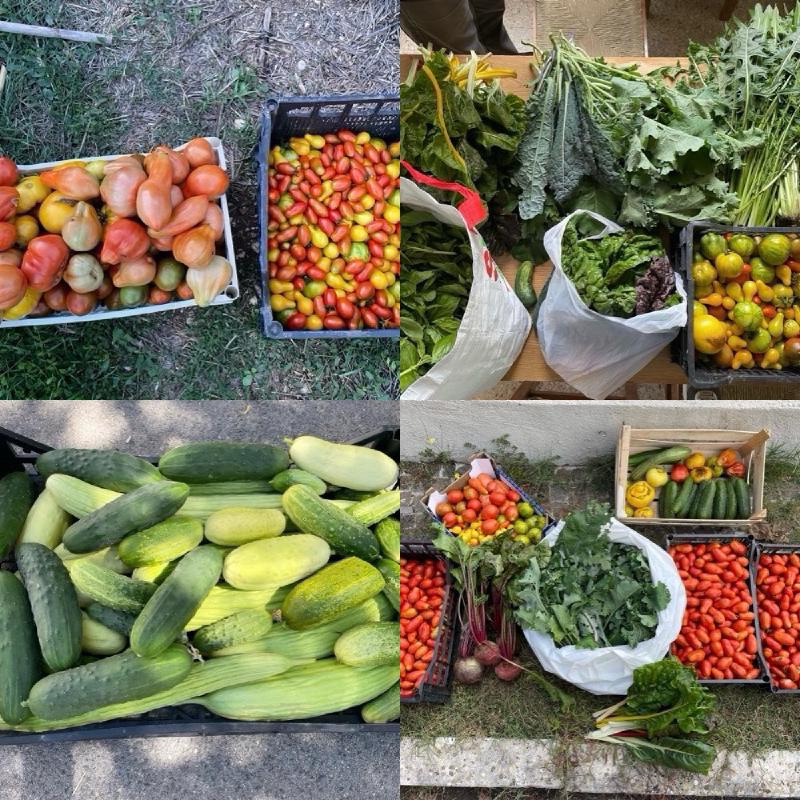
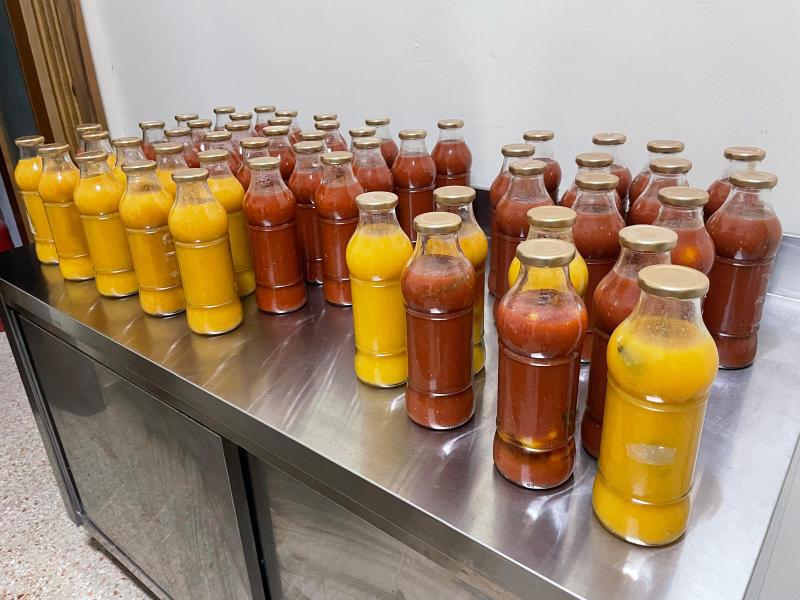
Growing a vegetable garden is a lot of work, but it’s also a privilege in terms of learning and contact with the land that many people living in urban areas don’t have. It’s also, and above all, an opportunity for self-sufficiency: growing and preserving your own food without harmful chemicals helps both your physical wellbeing and your wallet! After getting the blessing of the landowners or former tenants, over the years — with essential help from our neighboring gardeners — we worked to clear and bring back into cultivation an abandoned area of the Cannavine. Today there are two newly reclaimed gardens here, which serve as a space for experimenting with growing techniques and a source of subsistence for some of the village’s new residents. They’re community gardens in the sense that the people who work them share tools, knowledge, and a helping hand whenever it’s needed.
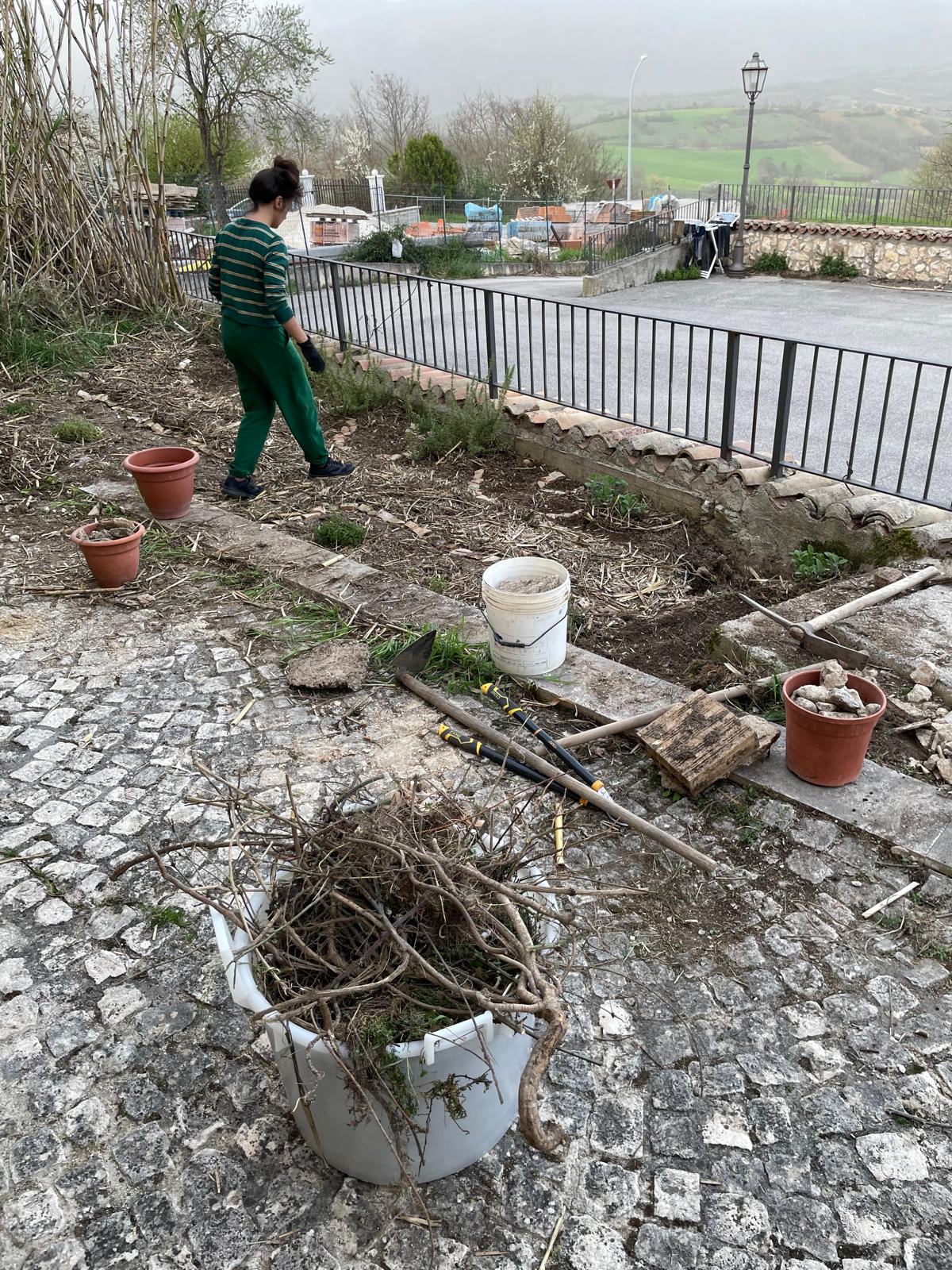
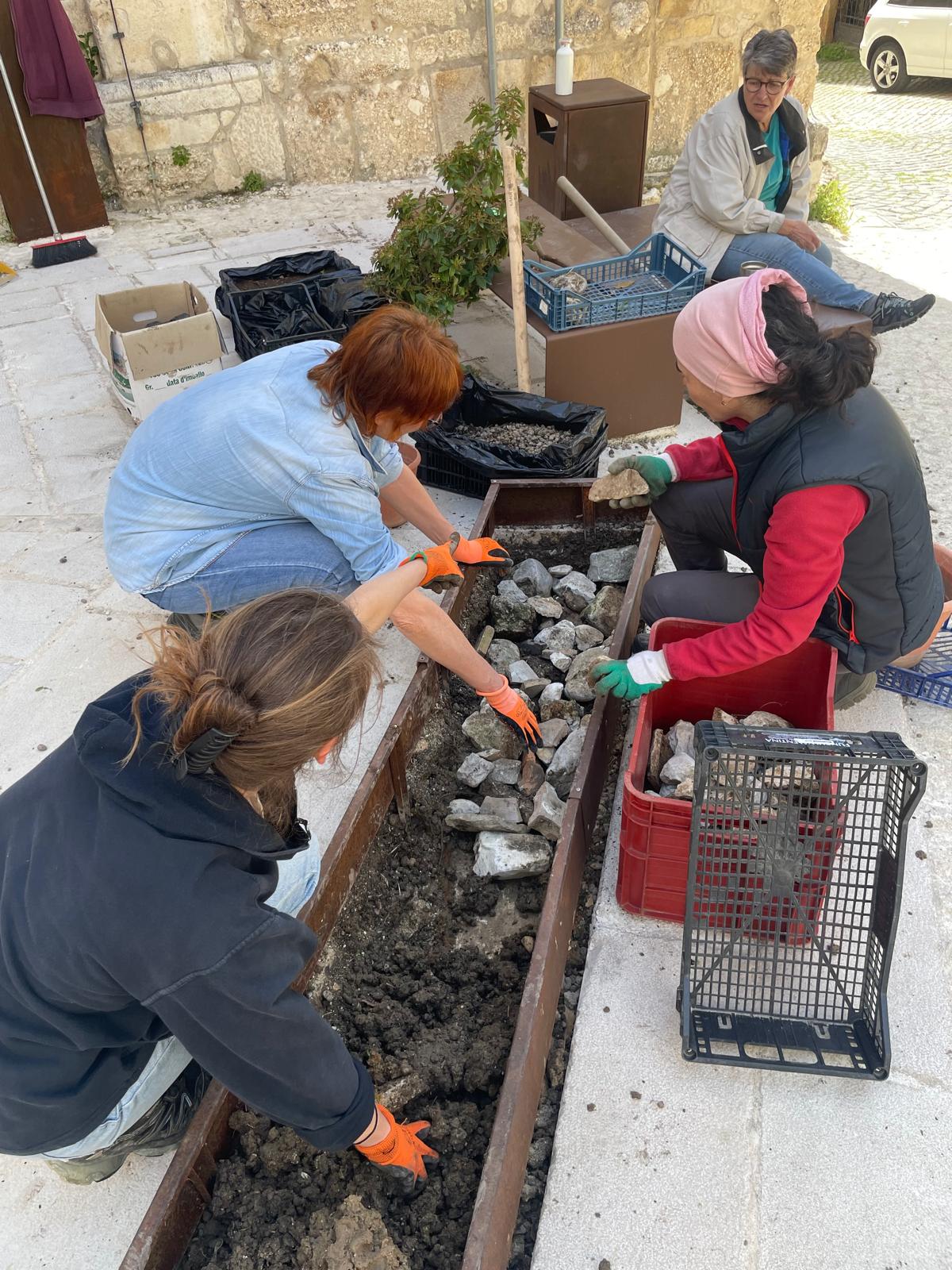
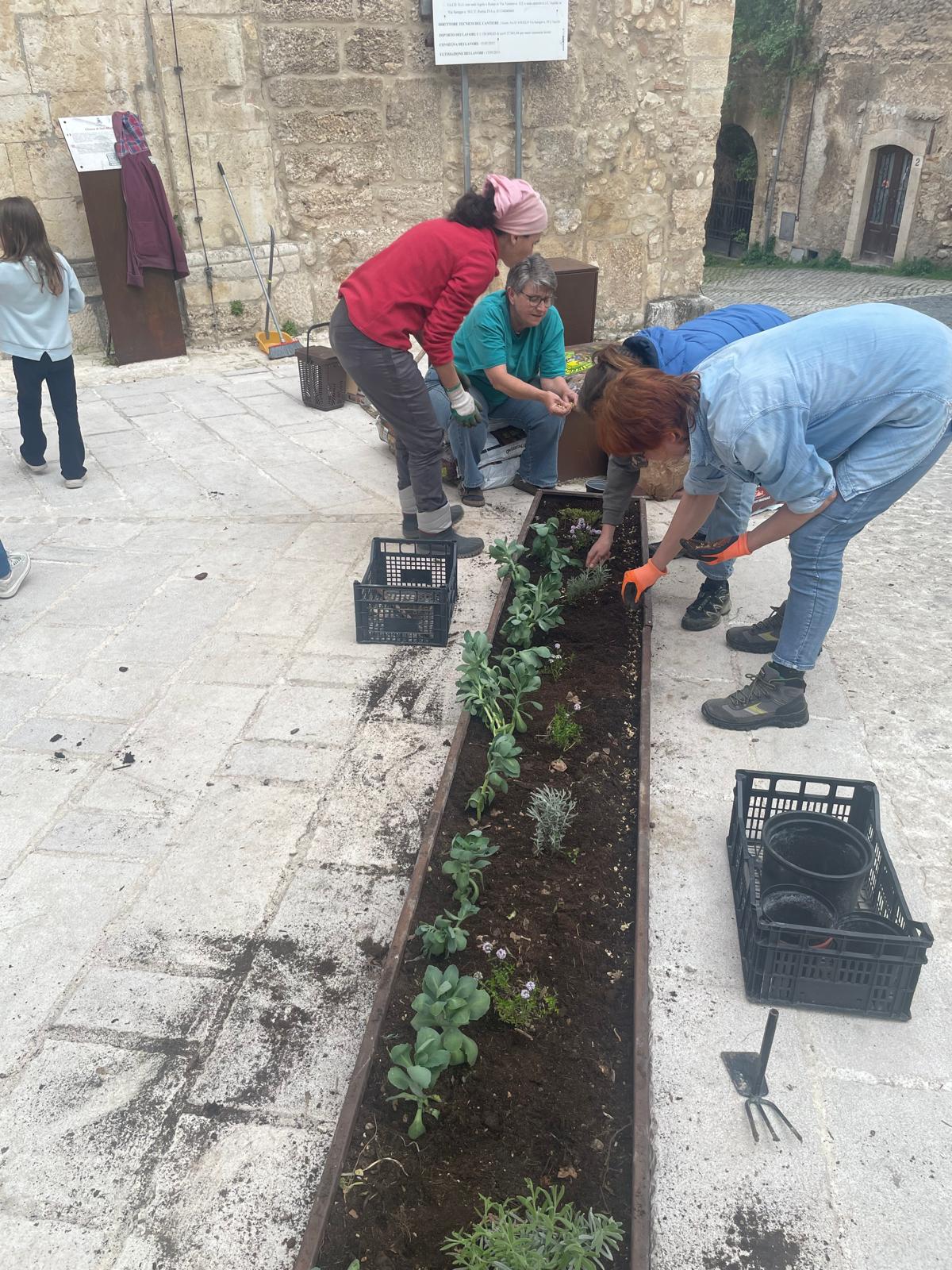
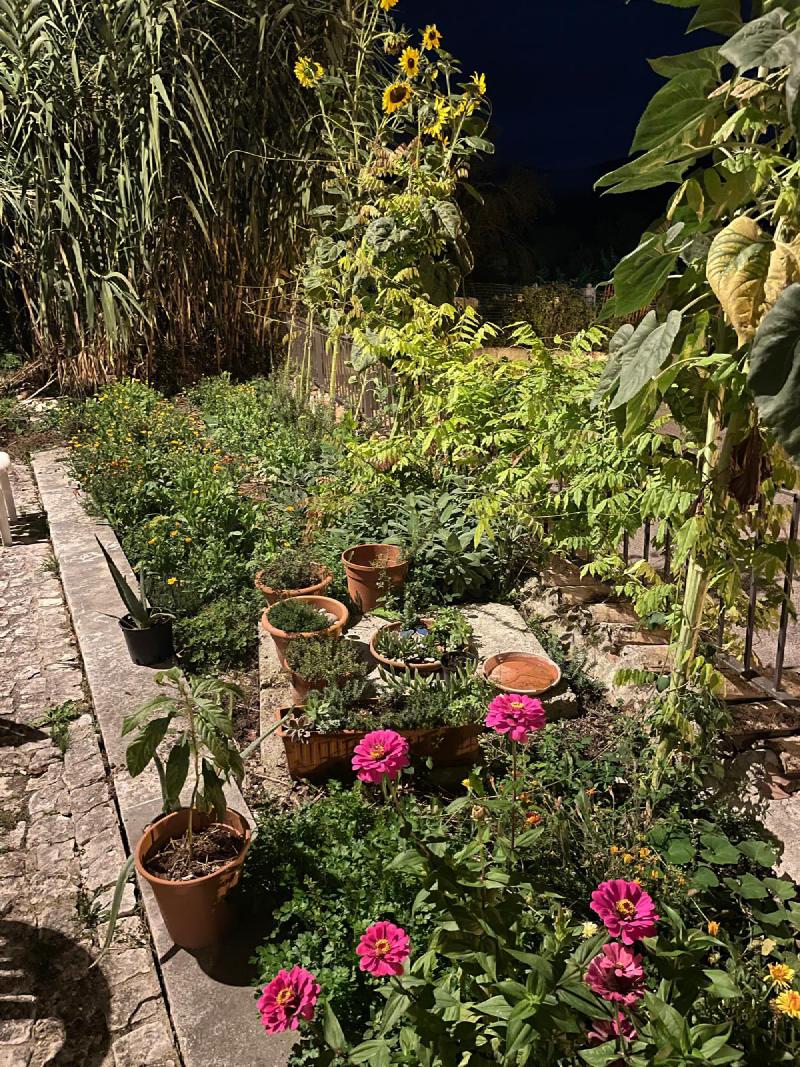
Today, one of the two fields down at the Cannavine is also home to our apple tree nursery, along with a small experimental plot dedicated to growing seed from two evolutionary wheat populations and the Saragolla wheat variety, which could be of interest for larger-scale production in this area in the future. We also have another small tree nursery (figs, apples, almonds and walnuts) and a nursery for aromatic plants at the guesthouse. So far we’ve given these away to individuals for their gardens or to the community, restoring and planting public flowerbeds around the village. The idea is to build up a collection of mother plants from which we can keep propagating new seedlings for new flowerbeds!
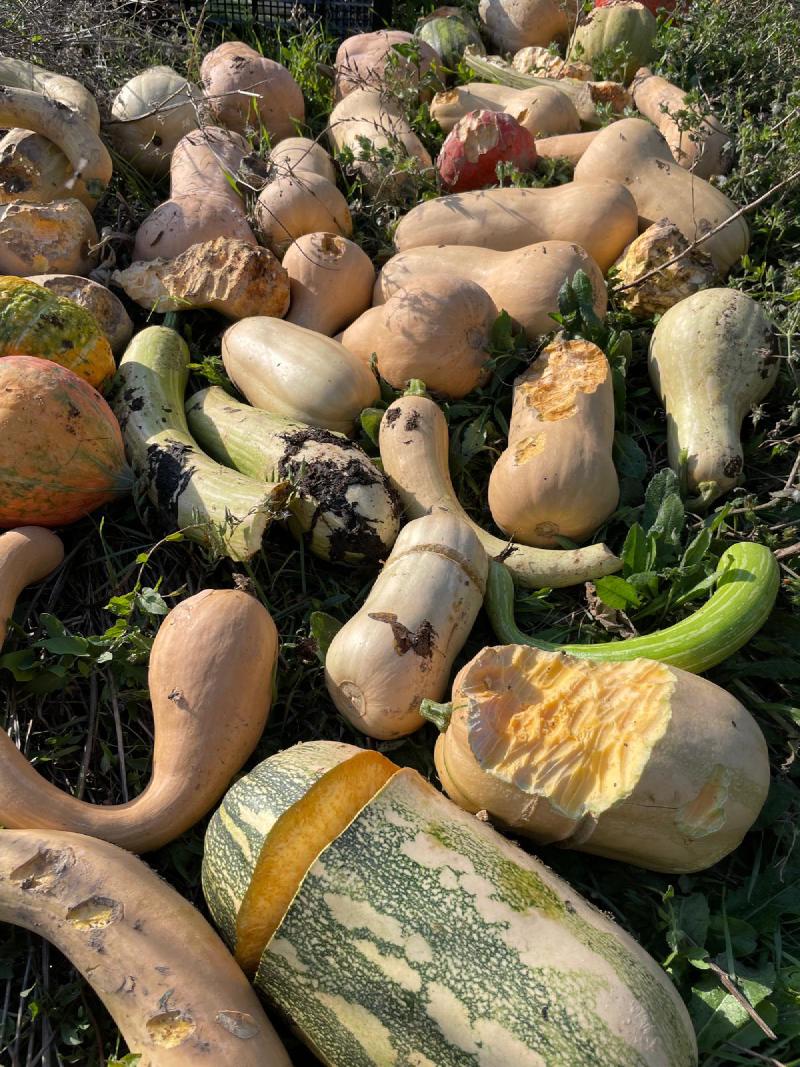
It’s not all sunshine and roses, though. In our work at the Cannavine we’ve run into a fair share of difficulties, the biggest being, without a doubt, the heavy presence of wildlife. Porcupines, badgers, wild boar and deer visit our garden on a regular basis. The damage is now too much, and we’re having to set ourselves up with a fence. Fencing a vegetable garden is costly but doable — for someone who makes a living from farming and has hectares of arable land, it’s next to impossible. Wildlife is a very hot topic around here. On one hand, there’s the romantic image of “untouched” nature, a kind of Bambi’s paradise, dear to weekend hikers. On the other, there are the struggles of residents who have a historical, direct, everyday relationship with the land, and whose livelihoods are being seriously threatened by the imbalance caused by the uncontrolled growth of wild boar and deer populations.
A confusing jumble of top-down policies occasionally changes the rules of the game and, in a short space of time, transforms the land: what kind of farming or livestock rearing will receive subsidies? Will controlled killing of wildlife be allowed or not? What form of tourism and business development will get funding? These are questions that all too often get answered without involving local communities or doing any proper, integrated planning across the different factors that shape this land. We lose the chance to reflect together on what we actually need, and to try to respond in innovative ways to the challenges we face. It’s complex work, and one we’d like to try to contribute to more structurally one day. In the meantime we do what we can, we keep sowing seeds and propagating plants and trees, for new gardens and new flowerbeds.