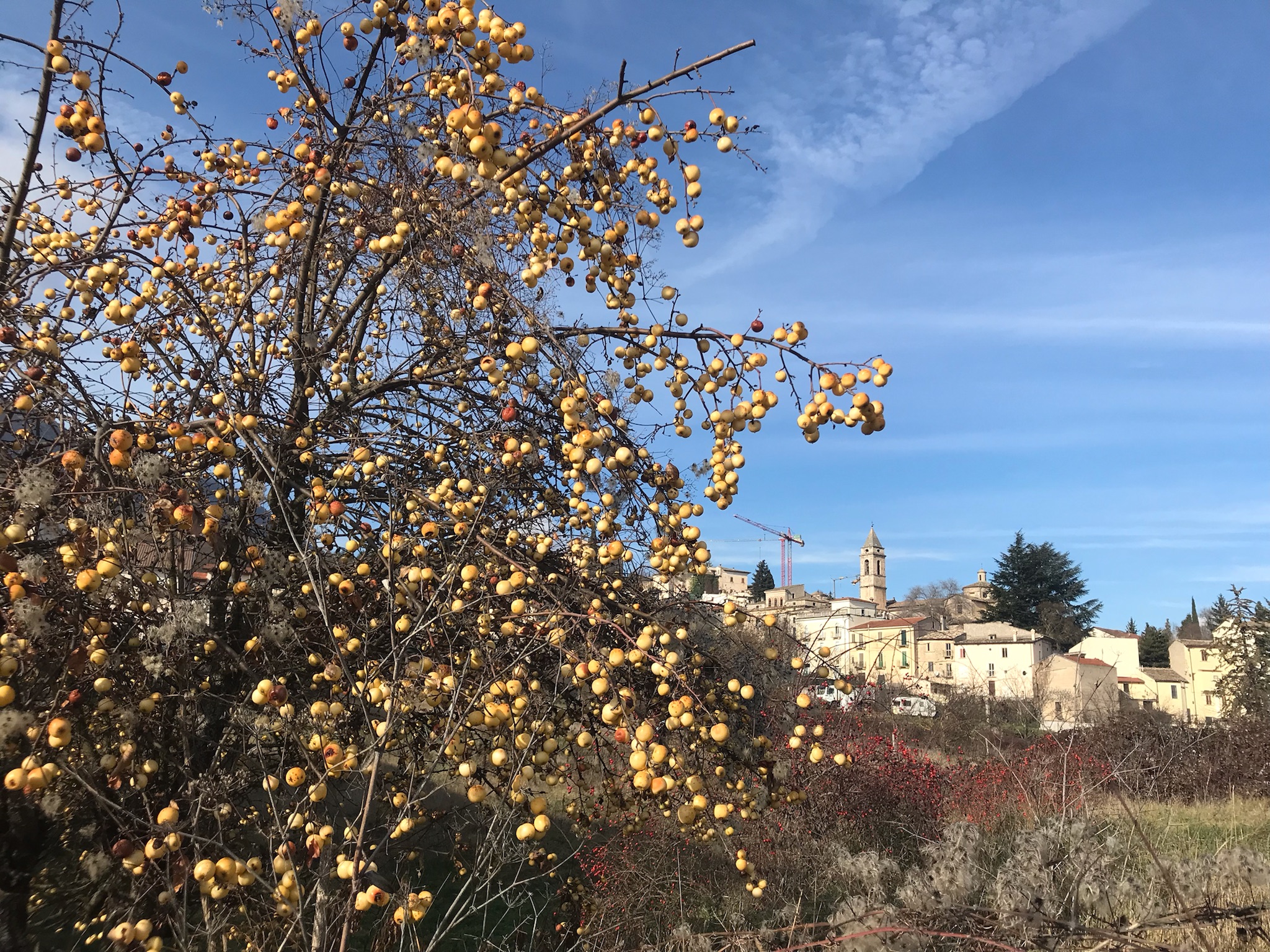
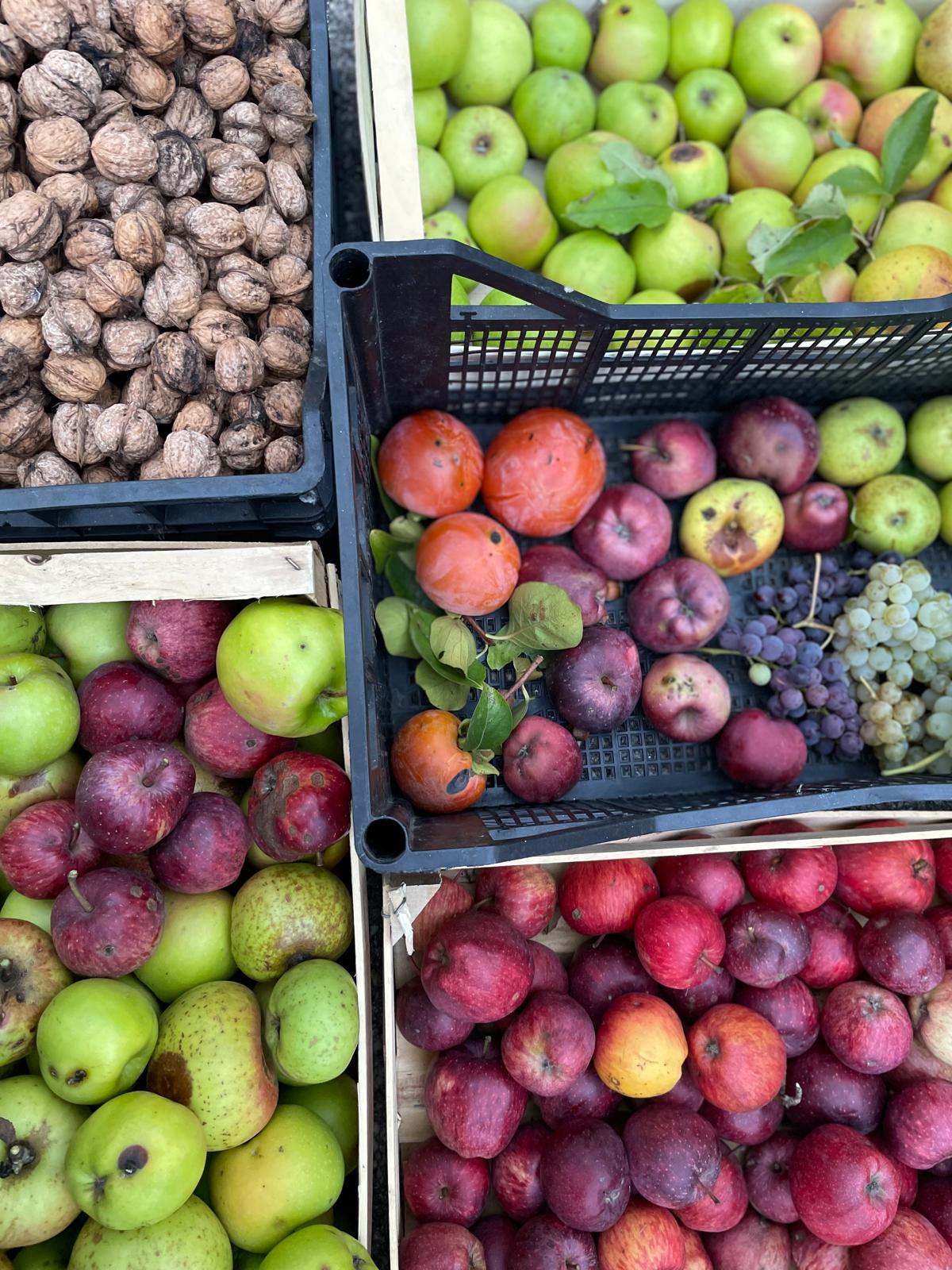
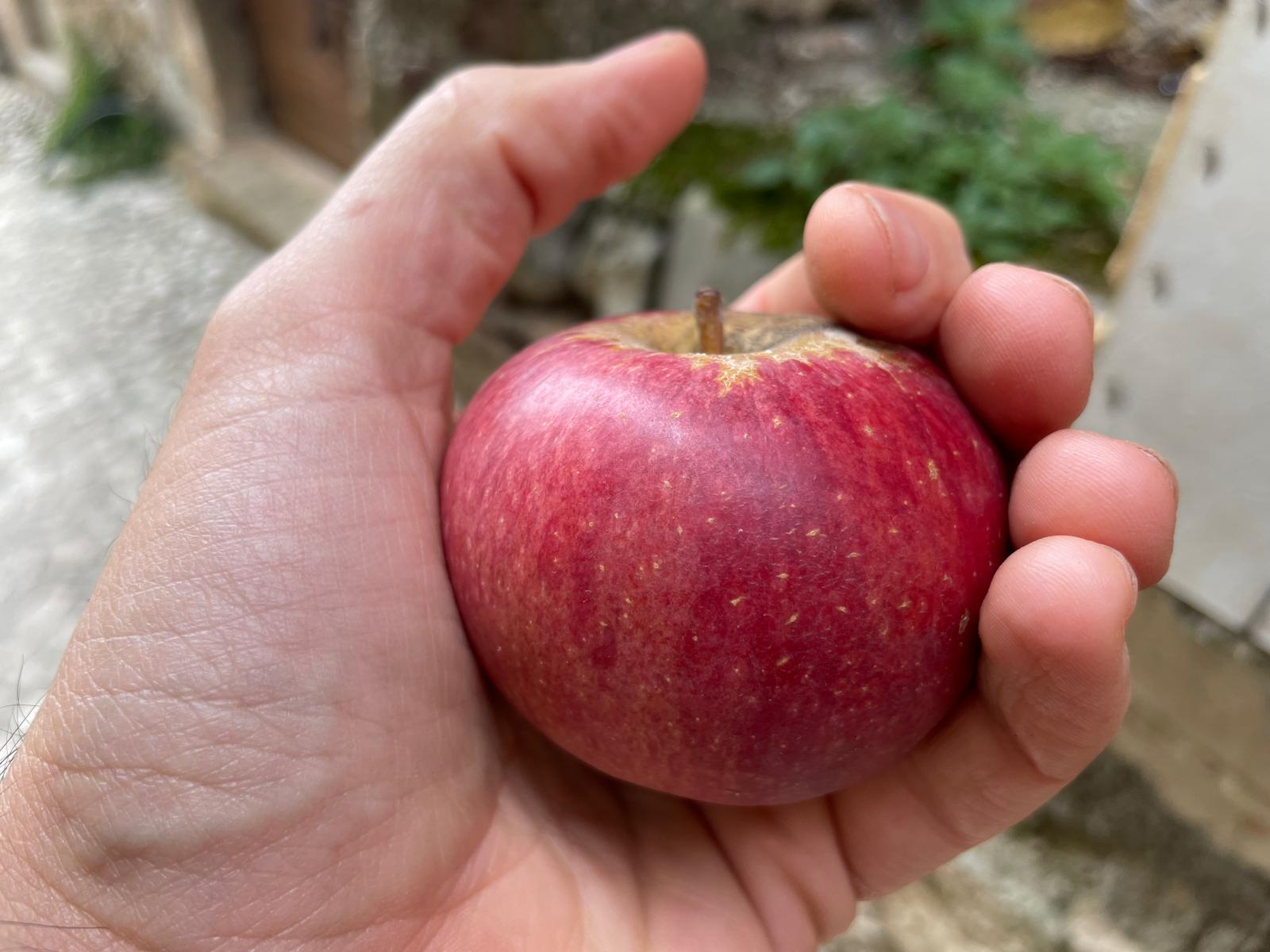
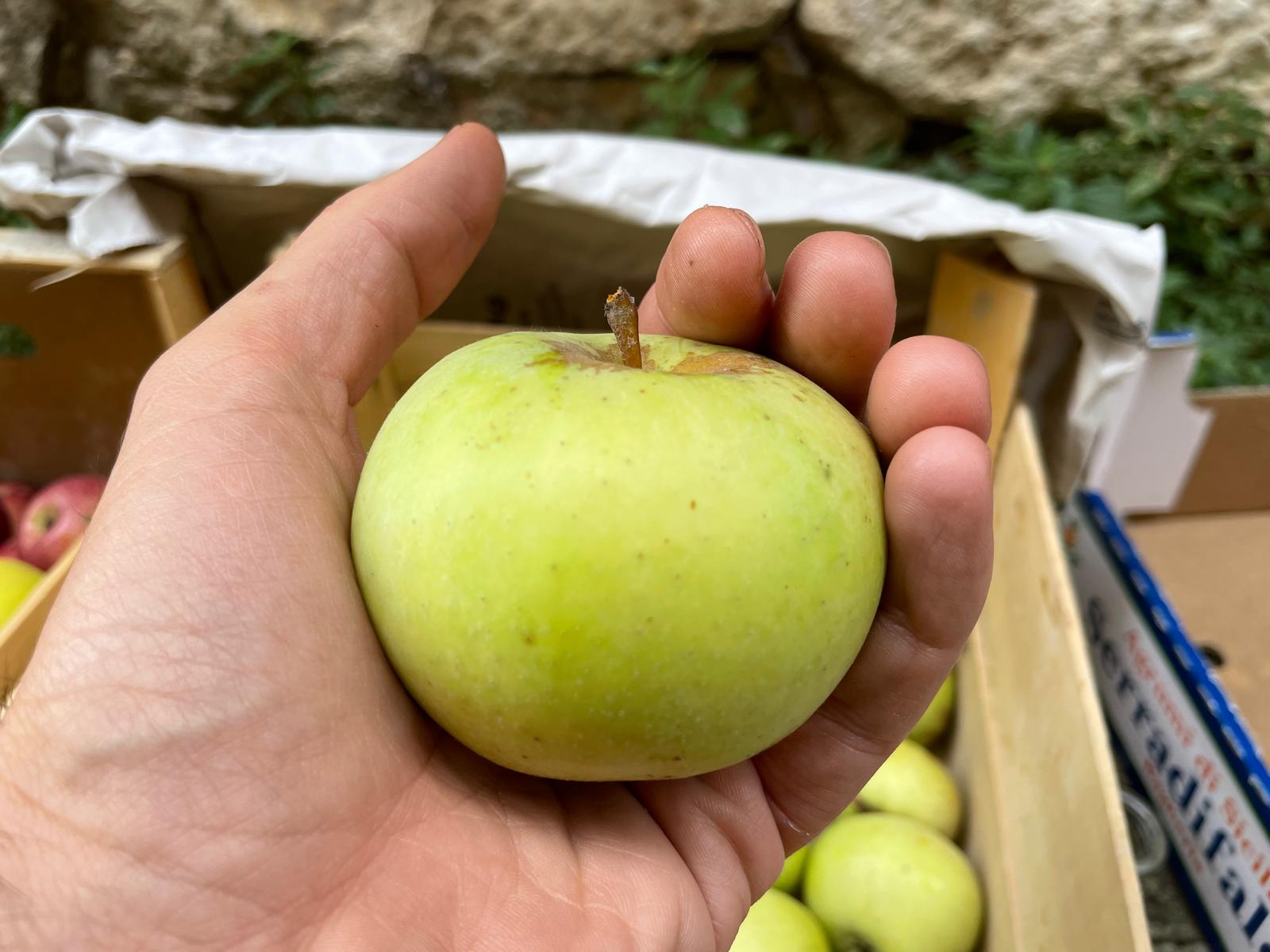
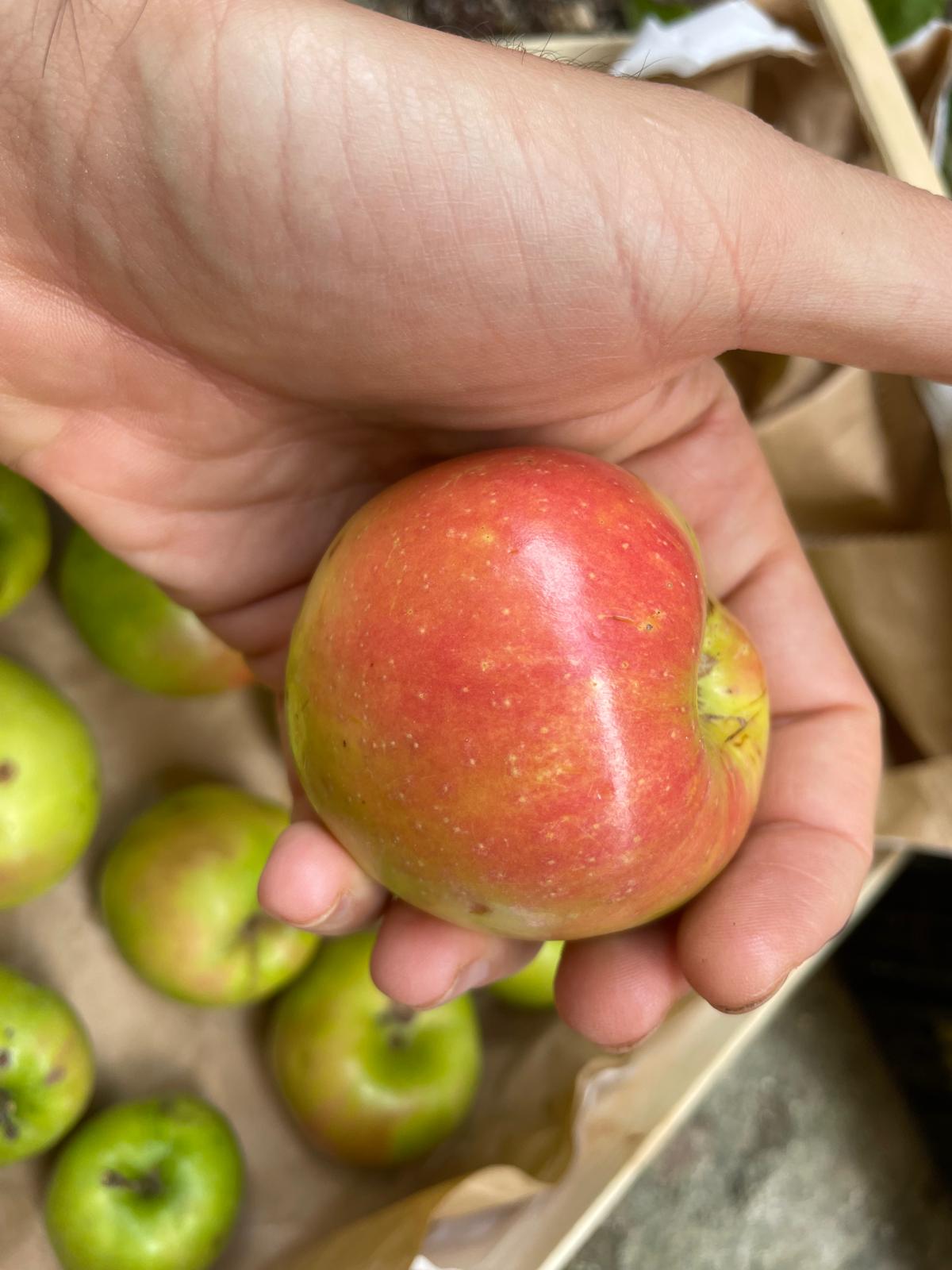
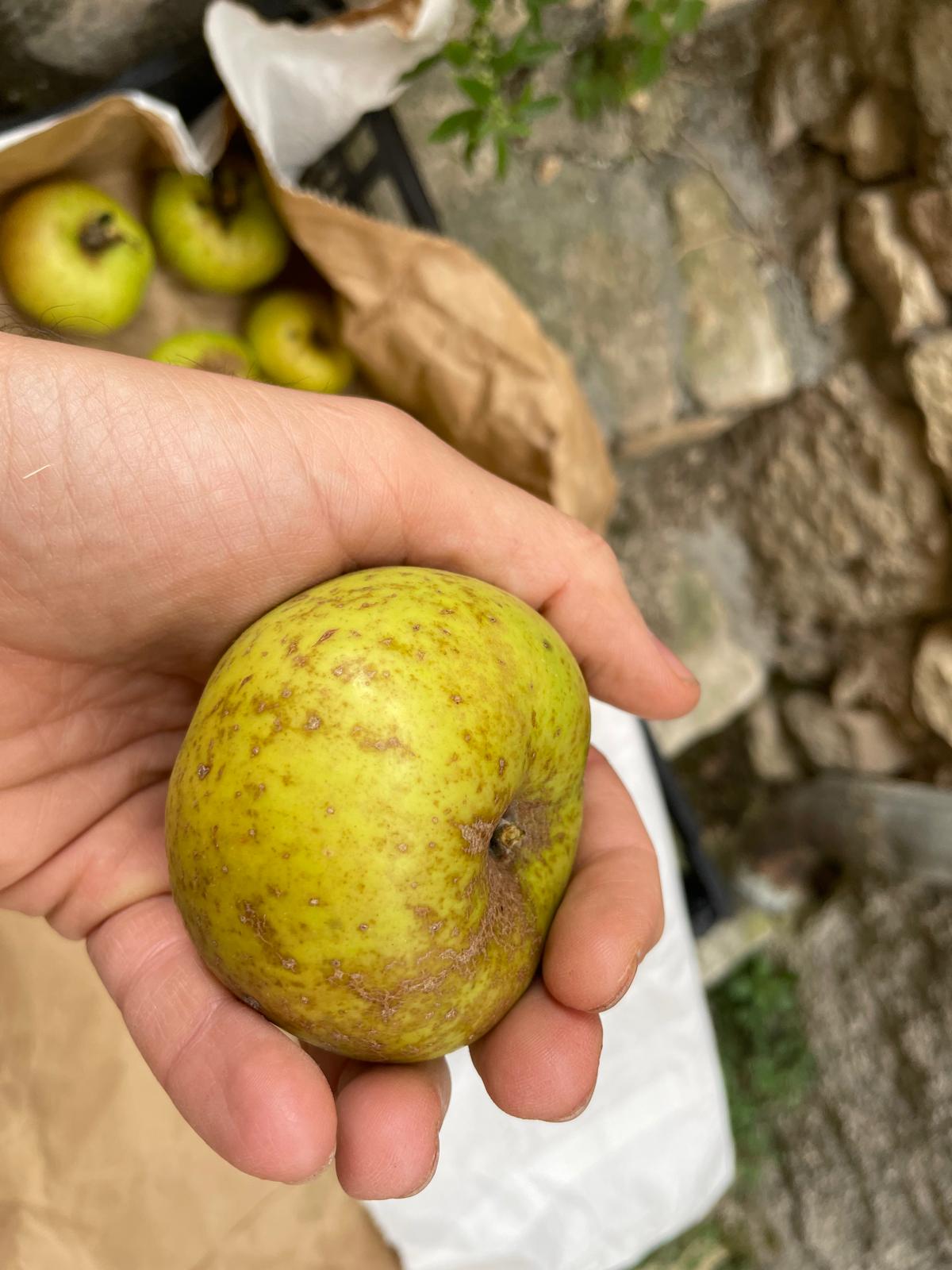
Melemarze’s first project began with rotten apples. The apple trees of the Subequana Valley tell a deep story about this land. Many are large, old trees, often abandoned, recognizable by their dry or unpruned branches, the brambles climbing their trunks, and the wild vegetation surrounding them. These lands were once widely cultivated: people planted fruit trees and cared for them. Today, after decades of depopulation and neglect, many of these trees no longer bear fruit. Others, fortunately, still do, and for some of us they provide enough apples to last the whole winter.
We are grateful to those who planted these trees, which still sustain us today, but we know these gifts won’t last forever. If we want this landscape to remain livable for us and for future generations, we need to make sure life here stays possible. Planting new fruit trees is a small but important part of that work.
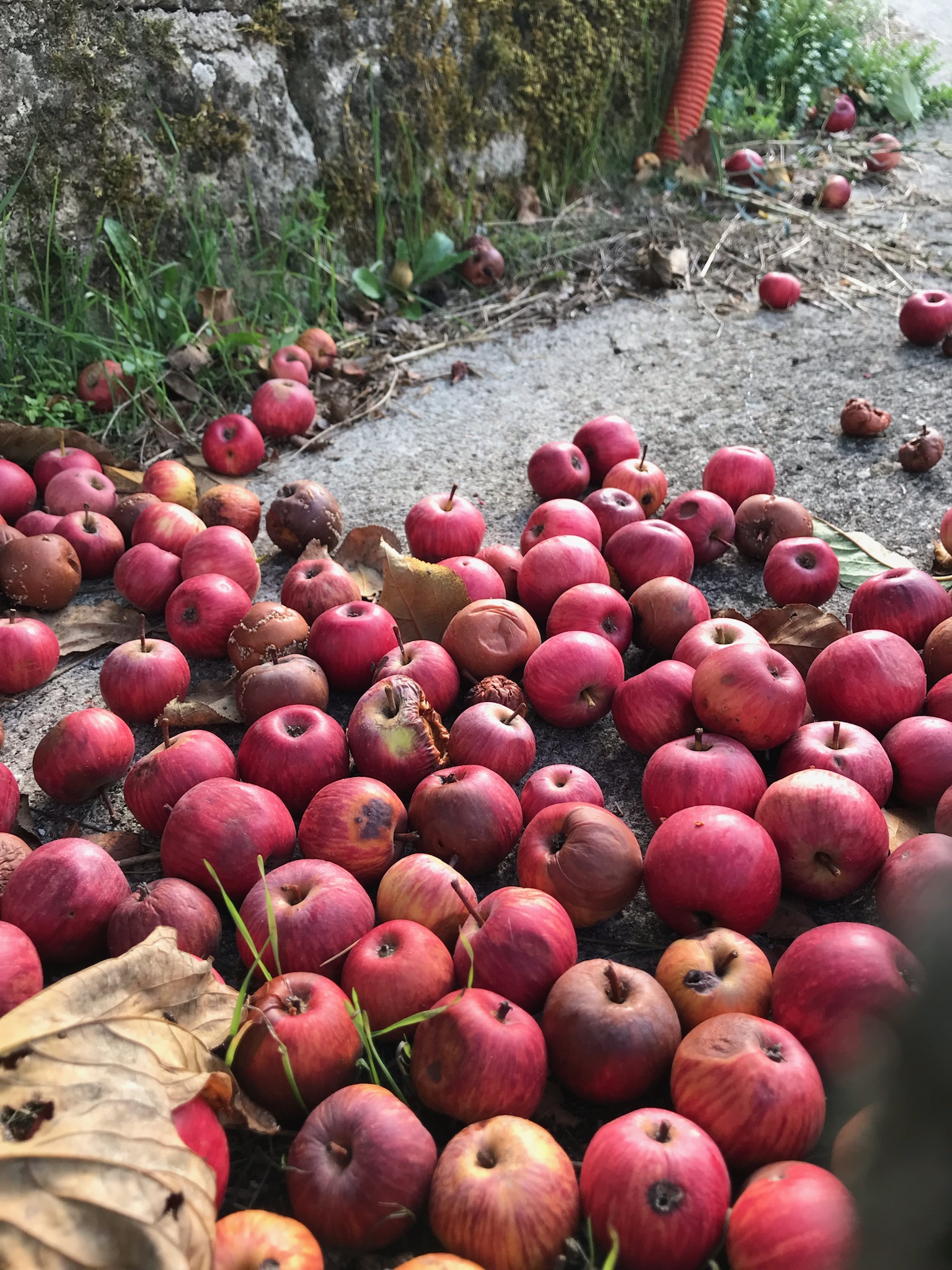
At the founding members’ first meeting, in the fall of 2022, we gathered fallen, rotten apples from several trees around the area. We crushed them into a pulp and left it to ferment.
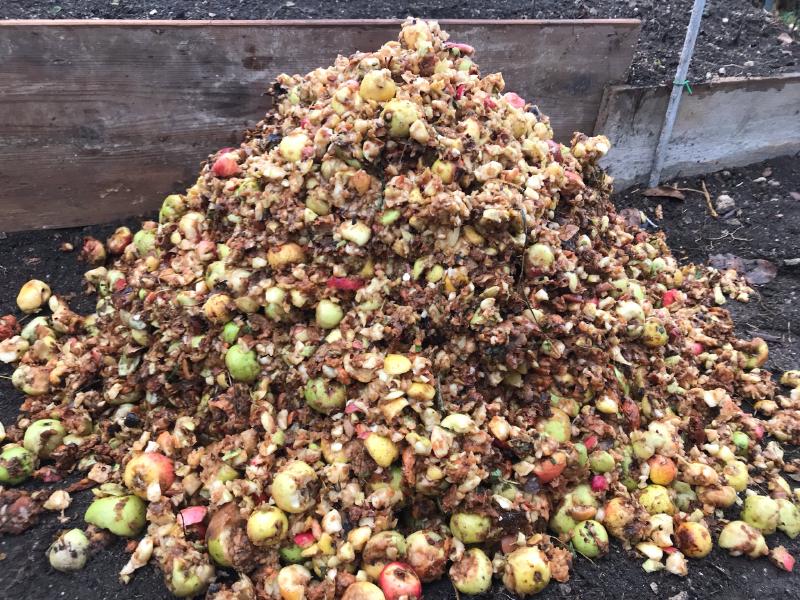
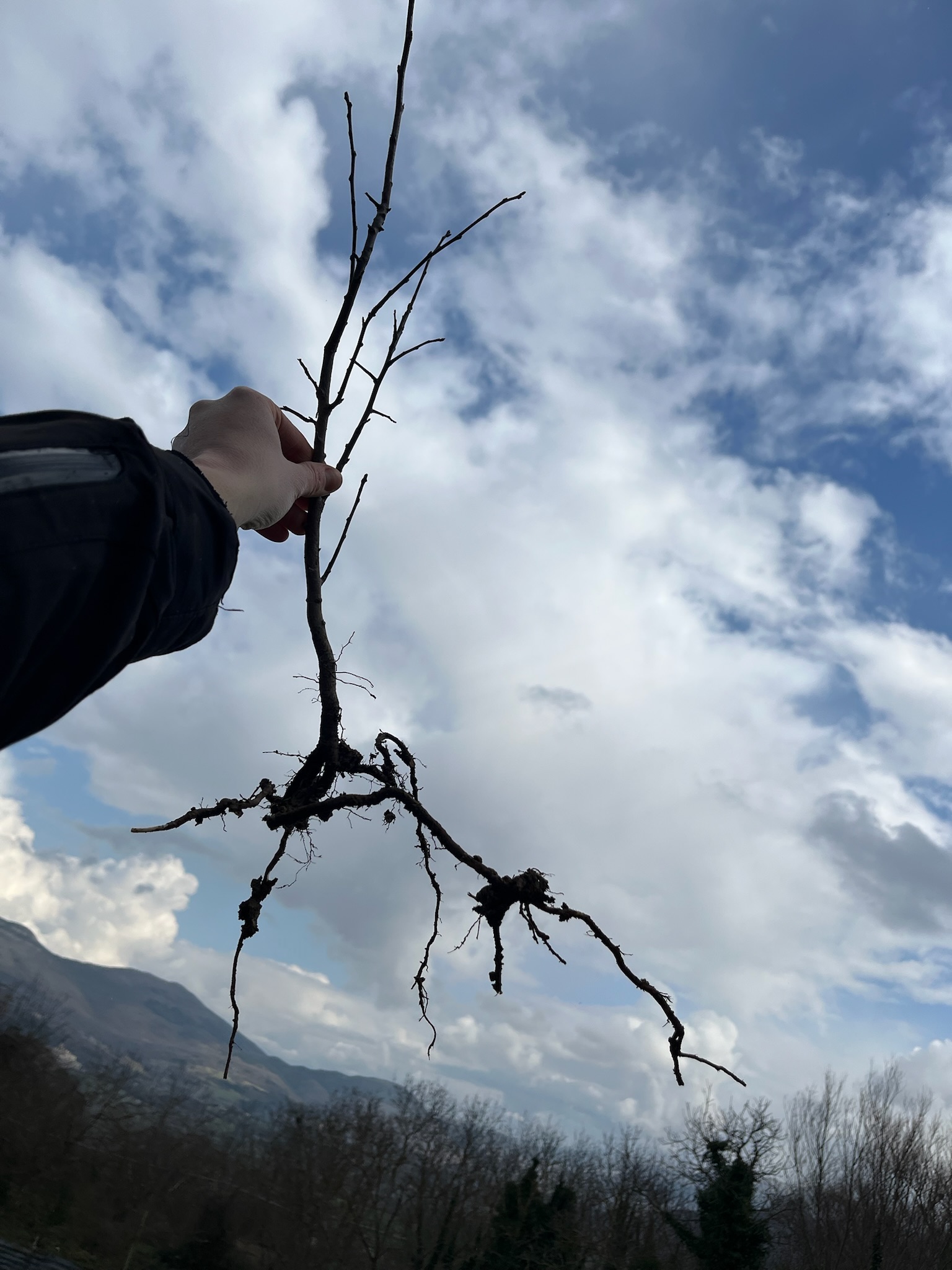
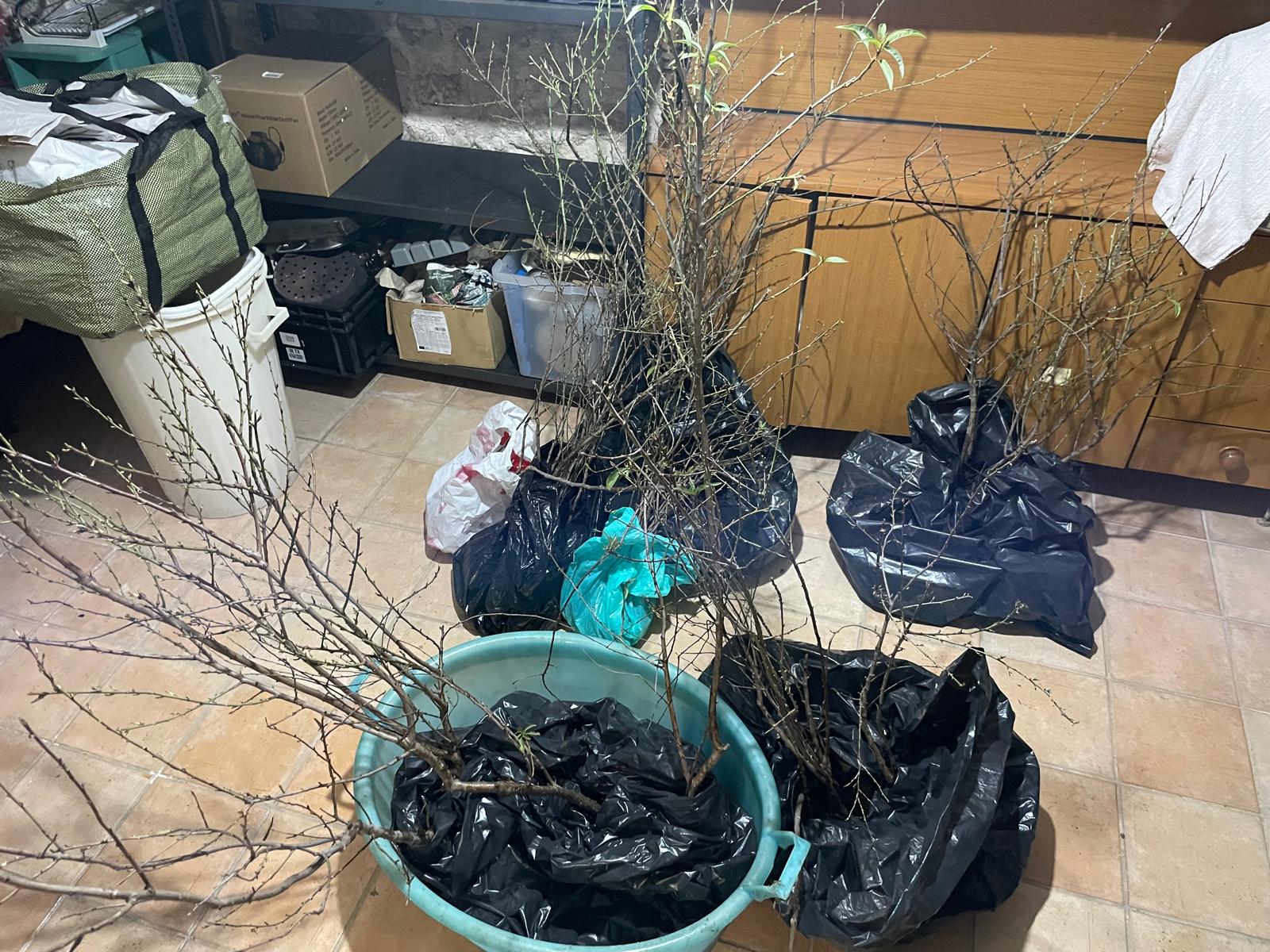
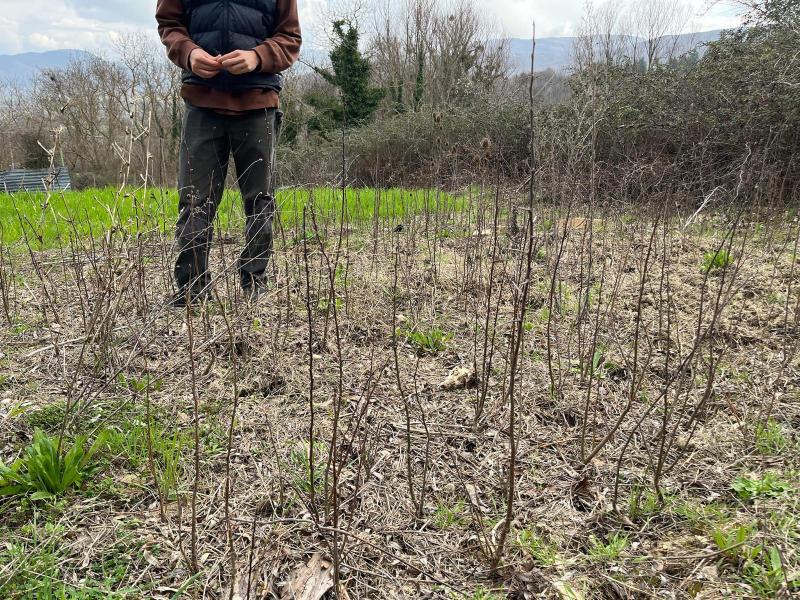
We then scattered the pulp and seeds, along with some almonds, into a raised bed, covering them with soil. The following spring, hundreds of seedlings sprouted, each with a stem as thin as a strand of spaghetti. A year later, we gave away around fifty almond saplings, so that these fast-growing, deep-rooted plants could be planted out as soon as possible. The young apple seedlings, meanwhile, were transplanted into temporary beds with more room to grow.
Three years on, the young apple trees now have trunks roughly a centimeter thick and are ready to be grafted. We’ll graft them with local varieties, as well as some non-native varieties we think could adapt well to this area as the climate changes. It will probably be another year or two before the trees are planted in their final positions, and several more before we see the first fruit.
This apple tree project reminds us that improving the livability of a place like this takes patience. The results of this kind of work aren’t immediate. Projects like this depend on years of careful observation of the landscape (which trees grow well here? which no longer bear fruit, and why? where could we plant a new orchard?), as much as on the gradual development of human relationships (which apple varieties do local people value? what recipes exist? who has experience growing apples, and what difficulties do they face? how can we build the infrastructure to support apple production and processing?).
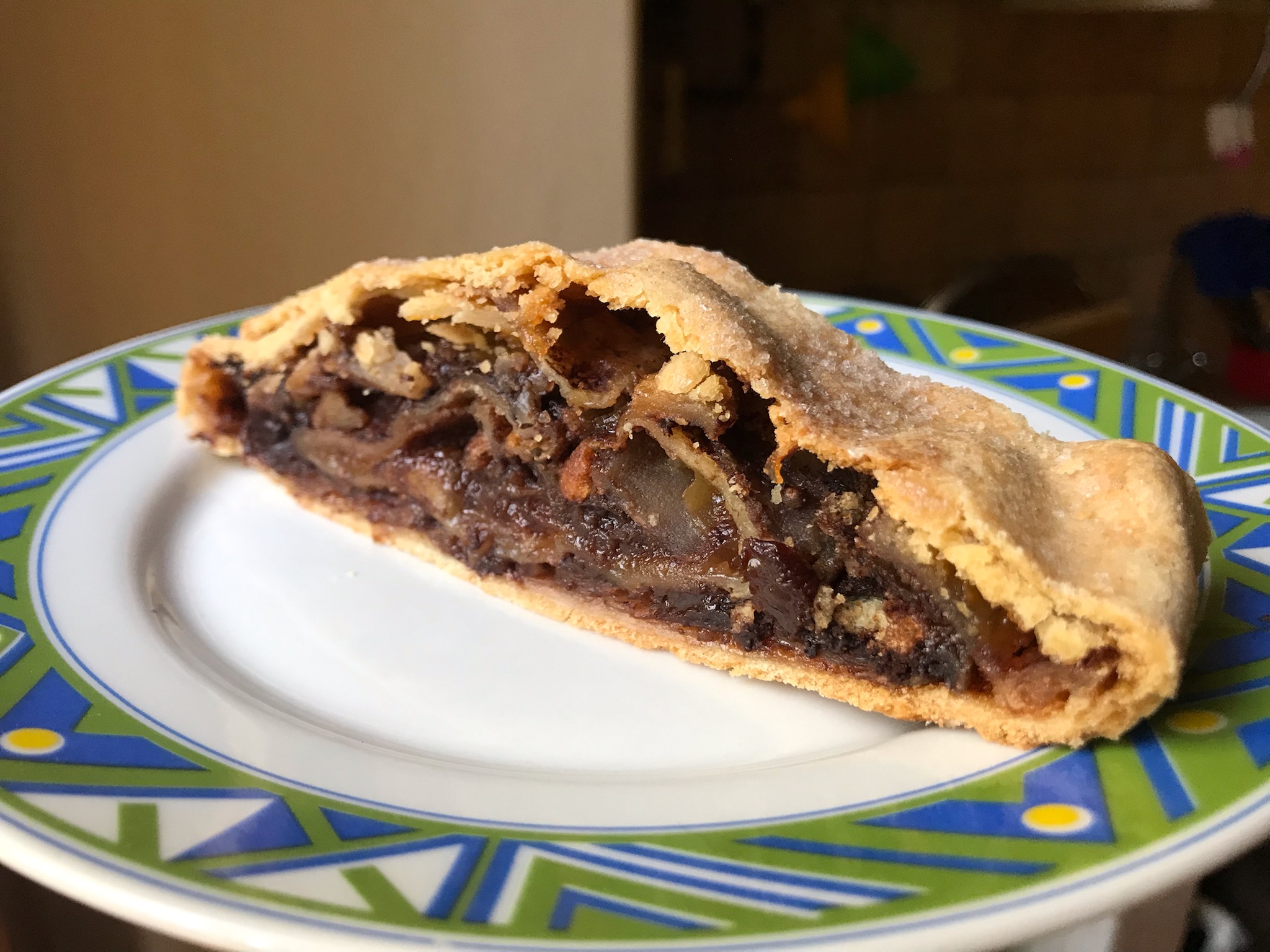
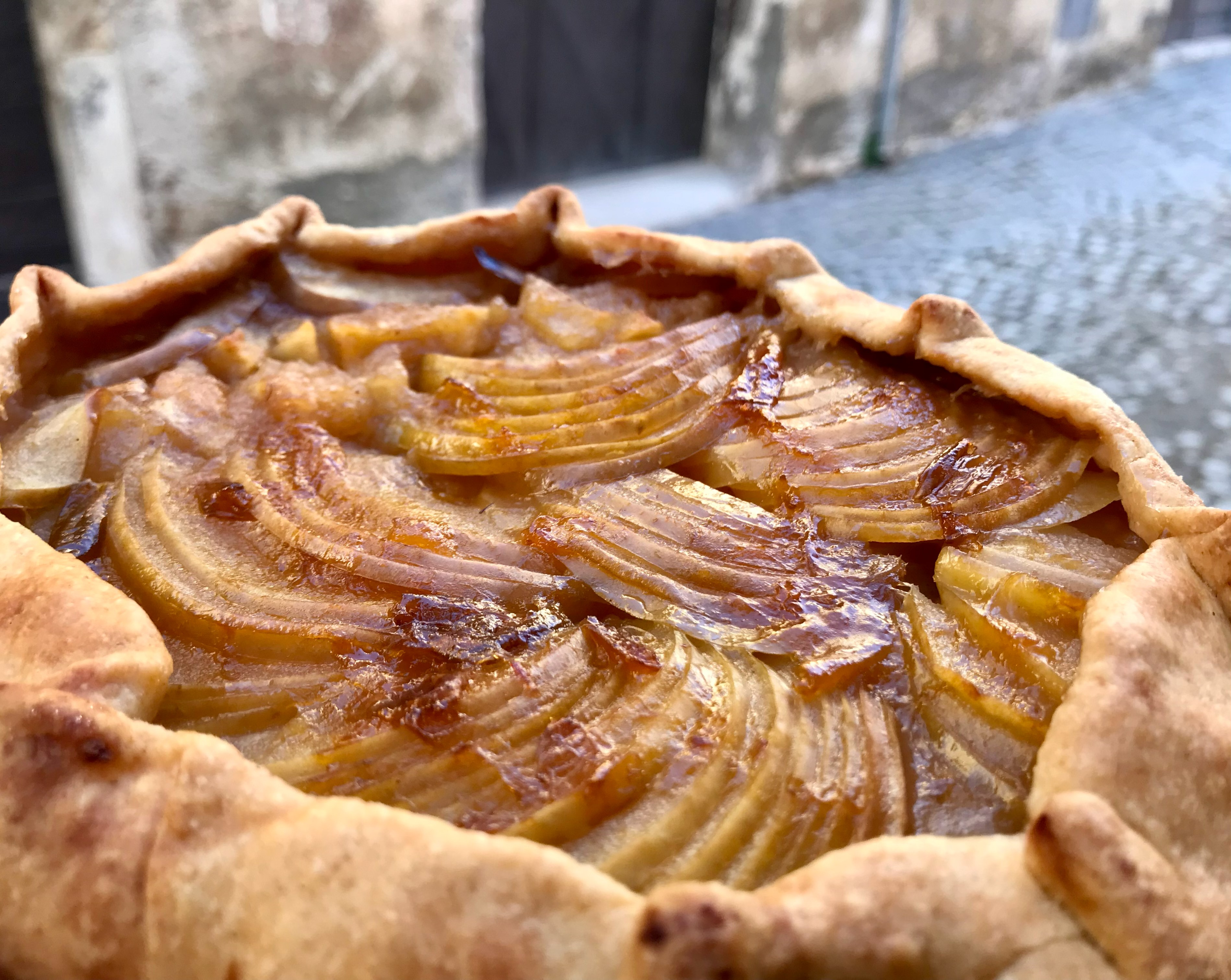
Yet the motivation to keep this project going is simple: just picture a future full of apple pies, baked apples, apple juice and cider!
This project also reflects our association’s broader approach, and it’s where our name, Melemarze, comes from. We start from the resources already present in a place — in this case the mele marce, the rotten apples fallen from the area’s old trees — and use them as a starting point to create something new. Onto these roots we graft a marza: a new branch, a scion, that carries fresh energy, knowledge and new perspectives. Our name plays on this: mele marce (rotten apples) and marza (scion) merge into Melemarze. The result is a tree that belongs to both the past and the present at once: rootstock shaped by decades of life in this landscape, joined with a new variety suited to today’s physical and social conditions.